
Preparing AI Tools for the Physical World: Transforming Business Efficiency and Workflow Optimization
Estimated Reading Time: 5 minutes
- Physical AI tools are set to revolutionize business operations.
- AI integration aligns with digital transformation trends.
- AITechScope offers tailored consulting services to aid businesses.
- Organizations should prepare for AI’s role in enhancing efficiency.
Table of Contents
- The Rise of Physical AI Tools
- The Intersection of AI and Digital Transformation
- The Role of AI TechScope
- Optimizing Workflows with AI
- Preparing for the Future: What Businesses Can Do
- AITechScope’s Commitment
- Conclusion
- FAQ
The Rise of Physical AI Tools
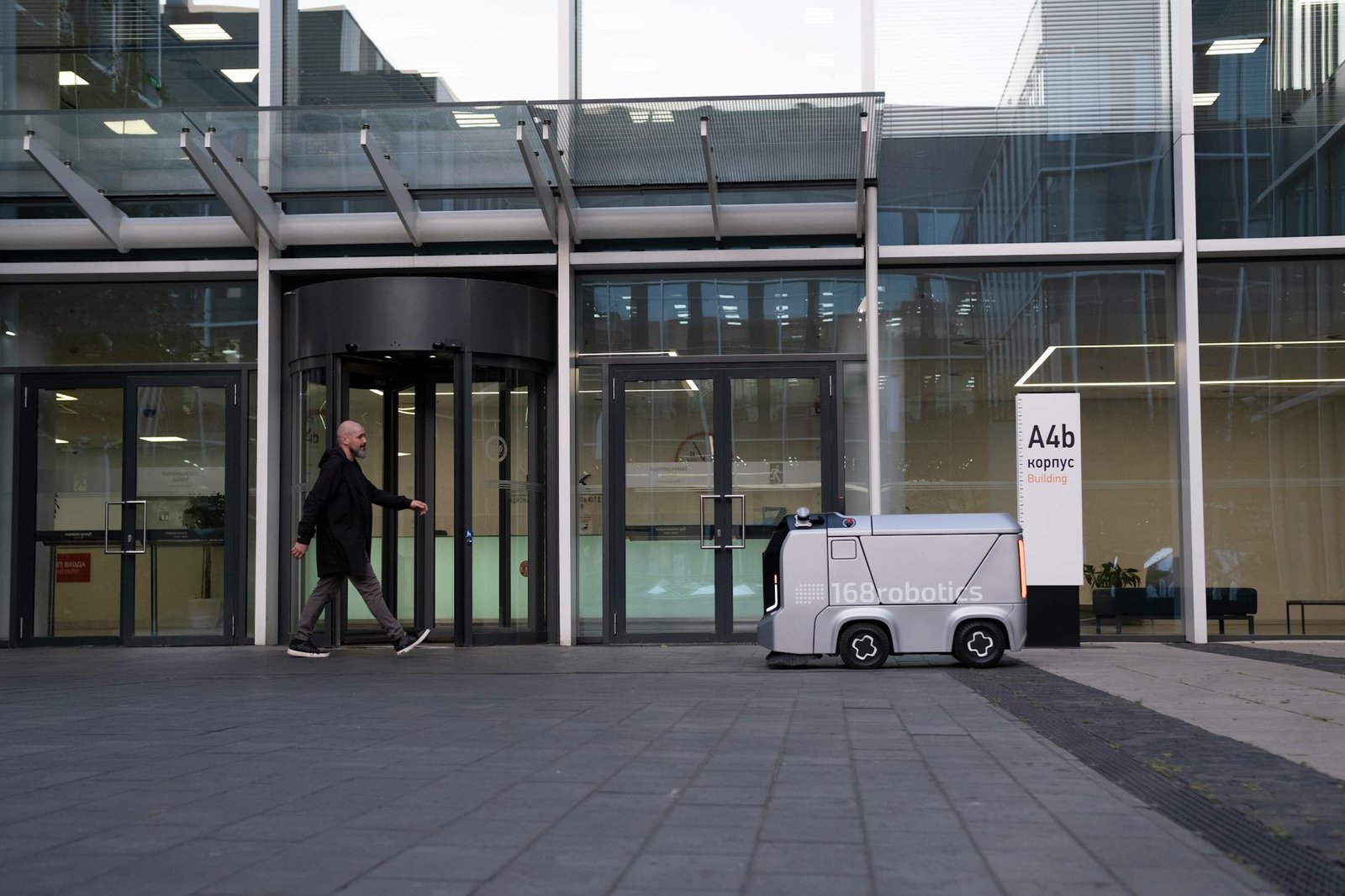
Recent insights from The Economist highlight that AI tools are moving beyond the realm of digital applications into tangible, real-world functionality. These advancements are not merely enhancements of existing technologies but groundbreaking innovations that can fundamentally change how businesses operate. Physical AI tools refer to technologies that respond and adapt to real-world conditions, such as robotics, smart infrastructure, and IoT devices, creating more efficient processes and solutions.
The necessity for these tools is underscored by the growing complexity of operations in various sectors, leading businesses to seek innovative methods to streamline workflows and improve productivity. As companies navigate challenges stemming from labor shortages and the demand for more efficient operations, AI’s potential to automate physical tasks, monitor environments, and analyze data in real-time becomes increasingly attractive.
Practical Takeaway
For businesses, the implementation of physical AI tools can facilitate improvements ranging from supply chain management to on-site operational processes. For instance, a manufacturing firm might adopt robotic process automation (RPA) systems to handle repetitive assembly tasks, thereby increasing productivity and maintaining consistency in production.
The Intersection of AI and Digital Transformation
AI’s integration into physical applications aligns seamlessly with the broader trend of digital transformation. As organizations understand the interconnected nature of data, processes, and customer expectations, they are keen to incorporate AI into their operational strategies. The digital shift necessitates a proactive approach whereby companies adopt AI technologies not just as a tool, but as a core component of their business strategy.
Digital transformation entails rethinking business models and processes in light of new technological capabilities. By leveraging AI tools that are prepared for physical interactions, organizations can achieve significant efficiencies, reduce operational costs, and enhance customer experiences.
The Role of AI TechScope
At AITechScope, we specialize in helping businesses harness the power of AI automation and consulting services. By employing cutting-edge technologies like n8n workflow development, we enable businesses to streamline their operations effectively. n8n allows for seamless integration of various applications and systems, automating workflows that span both digital and physical domains.
For example, imagine a retail business utilizing n8n automation to optimize inventory management. AI tools can dynamically track stock levels in real-time and automatically notify managers about inventory reorders, minimizing downtime and preventing stockouts. Our role extends beyond implementation; we provide ongoing support and consultation to ensure that businesses maximize the value of their technological investments.
Optimizing Workflows with AI
Implementing AI in physical applications can create transformative workflow optimization strategies. When companies integrate AI technologies into their existing processes, they can automate mundane and repetitive tasks, allowing employees to focus on higher-value activities that drive innovation and growth.
- Enhanced Decision-Making: AI tools can analyze vast datasets, offering insights that inform strategic decisions. This data-driven approach leads to more accurate forecasting and resource allocation.
- Improved Efficiency through Automation: By automating processes like customer service with AI-powered chatbots or using robots for logistical tasks, businesses can significantly decrease human error and operational costs.
- Streamlined Communication: AI can facilitate smoother interactions among departments, ensuring that information flows seamlessly and reducing the silos that often hinder productivity.
Preparing for the Future: What Businesses Can Do
As AI tools become increasingly capable of interacting with the physical world, it’s essential for businesses to prepare themselves for this transition. Here are actionable steps to get started:
- Invest in Training: Equip your workforce with the necessary skills to work alongside AI technologies. Training ensures that employees understand how to optimize their tasks using AI tools rather than viewing them as a threat.
- Embrace an Agile Mindset: Cultivating an agile approach within the organization allows businesses to adapt quickly to the changes brought about by AI integration.
- Start Small with Pilot Programs: Implementing AI solutions in a controlled environment can allow for testing and adjustments before a wider rollout. This reduces risks and helps gauge the effectiveness of AI tools.
- Leverage Data Analytics: Utilize AI to analyze data not just for operational insights but also for customer behavior patterns. This understanding can refine marketing strategies and improve customer relationship management.
AITechScope’s Commitment
At AITechScope, we understand that the transition to AI-driven processes can be daunting. That’s why we offer tailored consulting and automation services to guide businesses through every step of integrating these emerging technologies. Our expertise in n8n workflow development complements AI’s capabilities by providing a structured approach to optimizing business processes.
Explore how our services can help your organization embrace the changes brought forth by AI automation. Whether you are looking to improve efficiency, reduce operational costs, or enhance customer experiences, our team is here to assist.
Conclusion
The future of AI tools in the physical world presents a myriad of opportunities for businesses to enhance their operations. As organizations recognize the importance of AI in driving efficiencies and optimizing workflows, they must adapt and prepare for these changes. At AITechScope, we are passionate about helping businesses like yours navigate these challenges and fully leverage the capabilities of AI.
For further insights into improving your operations with advanced AI solutions, connect with us today to learn how our AI automation and consulting services can benefit your business. Let’s transform your workflow into an efficient, AI-driven operation that is poised for success in the digital age.
FAQ
1. What are physical AI tools?
Physical AI tools refer to technologies that interact with and adapt to the real-world environment, including systems like robotics, IoT devices, and smart infrastructure.
2. How can AI improve business efficiency?
AI can automate repetitive tasks, analyze data for better decision-making, and optimize processes, ultimately leading to enhanced productivity and reduced operational costs.
3. What is AITechScope?
AITechScope is a consulting and automation service that helps businesses effectively implement AI technologies to streamline their processes and maximize efficiency.
4. Should businesses invest in training for AI?
Yes, investing in training is crucial as it enables employees to work alongside AI technologies effectively, ensuring better integration and optimization of tools.
5. What initial steps should businesses take to adopt AI?
Businesses should start by investing in training, embracing an agile mindset, initiating pilot programs, and leveraging data analytics for insights.