
Meta’s Renewable Energy Push: What It Means for Your Business
Estimated reading time: 7 minutes
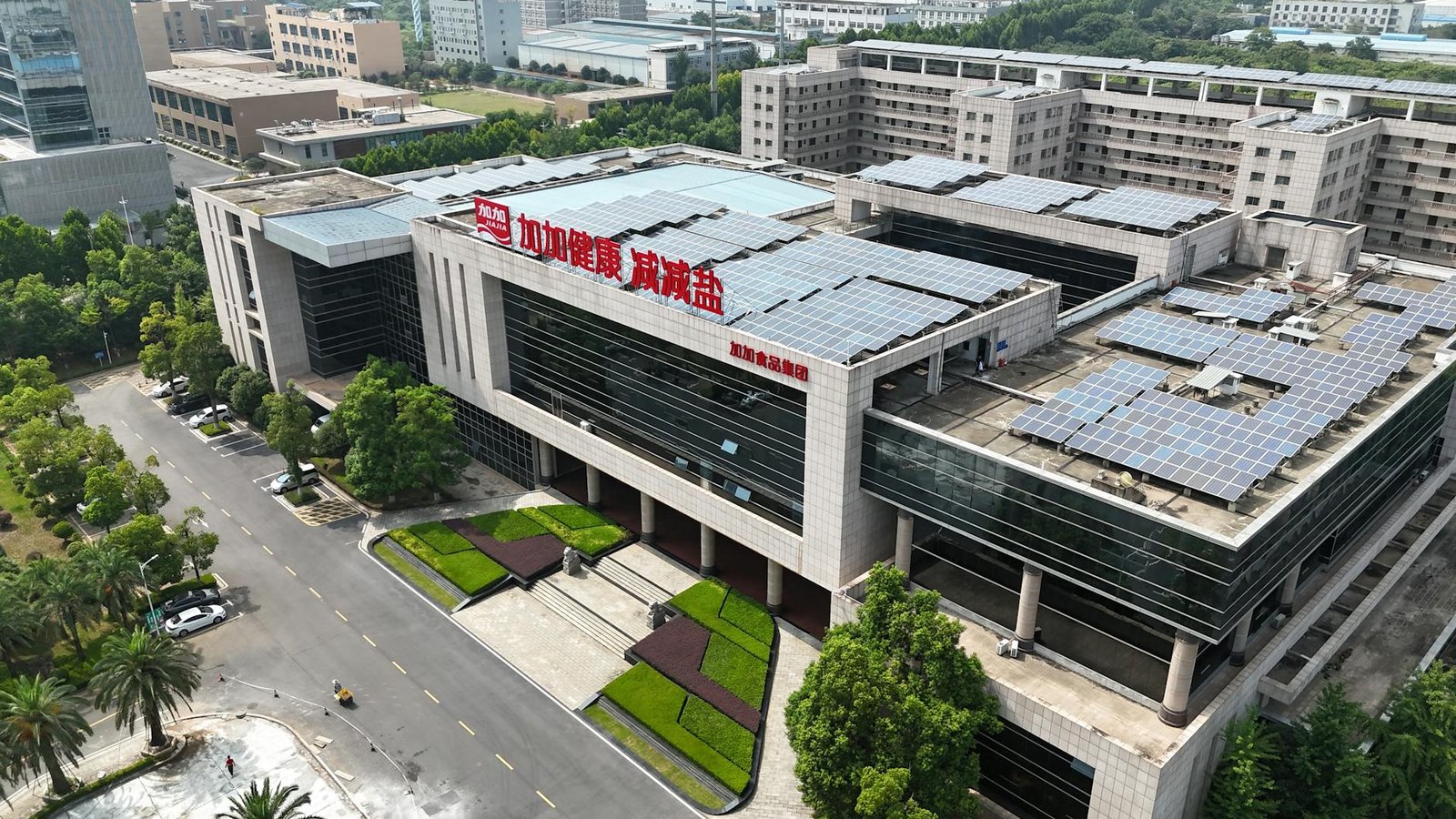
- Meta invests in 100 megawatts of solar power for its server farms.
- Energy efficiency is becoming crucial for business competitiveness.
- AI can optimize not just workflows, but energy consumption as well.
- Smaller businesses can adopt accessible energy solutions.
- Automation should align with a solid energy efficiency strategy.
Table of Contents:
1. Meta’s Solar Strategy and What It Means for You
2. Energy and AI: A Growing Intersection
3. Breaking Down Barriers with Sustainable Practices
4. What It Means for Small and Mid-Size Businesses
5. The Automation Connection
6. FAQ
Meta’s Solar Strategy and What It Means for You
If you think Meta is just about social media, think again. This tech giant is pouring a serious chunk of change into solar power to fuel its expanding server farms—100 megawatts, in fact. That’s enough to power roughly 15,000 homes. Behind this investment lies a critical insight for business owners: energy efficiency could soon be as vital as productivity maximization. While your competitors battle to scale their operations, the ones who secure their energy needs responsibly will have a distinct edge.
But why is this happening now? It’s simple. The digital tide is shifting. Companies are realizing they can’t just throw money at more servers, more teams, or more tech solutions without considering the environmental impact or the operational costs that come with them. If you don’t pay attention to these changes, you might find your business lagging—especially in an age where sustainability isn’t just a buzzword but a growing expectation among customers and stakeholders alike.
Energy and AI: A Growing Intersection
Consider a small design agency with ten people working on multiple clients simultaneously. They’re working late nights, hitting deadlines, and hoping to maintain margins. Now, imagine if they could auto-generate project timelines and manage tasks while also optimizing their energy consumption in the background. Instead of mindlessly running all the lights and computers in the office, what if their AI system used only the necessary power during working hours? They could save costs and present a greener image to clients who value sustainability.
But what does AI-powered automation look like in practical terms? Enter the world of smart meters and AI-driven analytics. These systems help organizations track energy usage in real time, allowing you to adjust operations based on price fluctuations and unexpectedly high usage. Just like Meta is investing in renewable energy, you can adopt measures that not only save costs but bolster your brand’s credibility.
Breaking Down Barriers with Sustainable Practices
While many companies rejoice at the possibilities AI offers, a mild skepticism is warranted. It’s easy to embrace shiny tools and new strategies, but without a thorough understanding of how they fit into your existing operations, you might be wasting time and resources. For instance, AI in itself can’t solve energy issues unless you pair it with a well-structured energy strategy. This is where many firms trip up. They invest in the idea of automation and AI but ignore the foundational principles required for success.
Ask yourself: have you really integrated these tools into the DNA of your organization? If you think merely adopting new tools will solve deeper issues, you might be in for a disappointment. Artificial intelligence should complement a well-thought-out energy efficiency plan. In Meta’s case, their investment in solar reflects an awareness that innovation must marry sustainability. Without that marriage, your business could hit a disheartening plateau.
What It Means for Small and Mid-Size Businesses
Let’s face it: small and mid-size businesses often trail behind larger entities in their ability to adopt new technologies. You may not have the budget that Meta does for solar power and fancy server farms. However, don’t dismiss the trend as something that doesn’t apply to you. Just because you’re not a tech titan doesn’t mean you can’t play to your strengths.
You might typically rely on standard energy sources and conventional operational methods, but that’s all changing. The cost of smart energy solutions has declined, making them increasingly accessible. Digital tools can help optimize your consumption, too. Imagine pulling together an energy efficiency audit with minimal resources. That could be the catalyst for reduced operational costs and improved client relations—clients who respect your commitment to sustainability will often choose you over less-aware competitors.
The Automation Connection
You might be wondering how this all ties back to automation and workflow tools. Well, it all circles around the same problem: how to make your business smarter and more efficient. Implementing AI-driven systems is about more than just doing tasks faster; it’s about understanding the entire fabric of your workflow.
With solutions like n8n, you can automate repetitive tasks while also integrating energy management systems, allowing you to take informed actions based on real-time data. The more integrated your systems are, the easier it becomes to track resource usage, make necessary adjustments, and drive improvements without the chaos of manual oversight.
But keep in mind, automation isn’t a silver bullet; its effectiveness depends on how well you’ve mapped your processes. So take a step back. Assess your current setup. Where could AI save you time? Where could energy efficiency help your bottom line?
Once you’ve done that, diving into the world of automation can be beneficial. And exploring AI solutions that fit your business model won’t hurt either. A professional can tailor these systems to your unique needs, making them work for you instead of overwhelming you with complexity.
The future is pushing toward a blend of sustainability and automation. If you don’t prioritize these elements, you could find yourself behind the curve.
So, as you consider your strategy moving forward, think about how your business can balance growth with responsible practices. Optimizing your operations to include energy efficiency could lead to not just a healthier bottom line, but a more positive company image as well. And who doesn’t want to feel good about the work they do?
If you’re ready to take that step but don’t know where to start, AITechScope can help. We specialize in aligning your business with the future—not just through AI automation but by integrating smart energy practices that support your growth while keeping sustainability in sight. Let’s be part of this change together.
FAQ
Q: How can small businesses implement energy efficiency strategies?
A: Small businesses can start by conducting energy audits, adopting smart energy solutions, and utilizing digital tools to track energy consumption.
Q: What role does AI play in energy efficiency?
A: AI can optimize operations by managing energy usage in real-time, reducing unnecessary consumption and costs.
Q: How important is it to integrate sustainability into business practices?
A: Sustainability is increasingly expected by customers and stakeholders, making it crucial for a competitive edge.
Q: What can businesses do to stay ahead of energy cost fluctuations?
A: Businesses can use AI-driven analytics and energy management systems to adjust operations based on real-time data.
Q: Why is it important to have a structured energy strategy?
A: A well-structured energy strategy ensures that tools like AI complement existing operations, maximizing the benefits of automation and efficiency.