
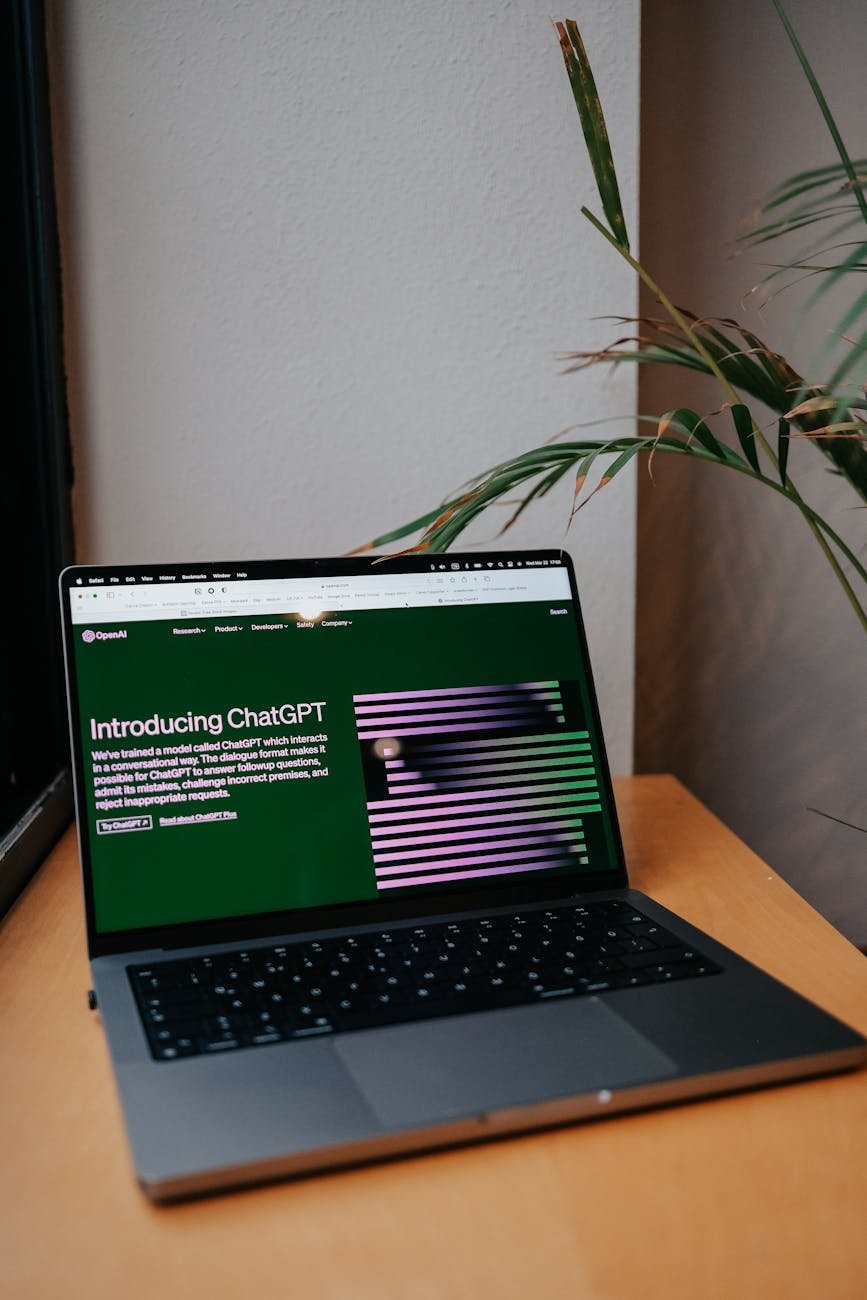
Embracing AI-Powered Automation: How Small Businesses Can Thrive
- AI and automation tools are shifting workflows for enhanced efficiency.
- Custom automation solutions can directly support business needs.
- Small businesses have the advantage of agility in implementation.
- Understanding AI tools can help in making data-driven decisions.
- Expert guidance can facilitate smoother transitions into automation.
Table of Contents
The Rise of Intelligent Tools for Business Efficiency
Picture this: data from various sources collected into one streamlined flow. You’re reducing busywork while focusing on strategic decision-making. Sounds great, right? Enter the age of virtual assistants and automated workflows. The trend is clear: businesses are increasingly adopting these tools to sharpen their competitive edge. Companies like Zapier and n8n are leading the charge, enabling you to create customized workflows with little technical knowledge. This trend isn’t just about efficiency; it’s about transforming how you approach daily operations. Suddenly, mundane tasks can be automated, opening up resources for growth—if you choose to embrace it.
But here’s the kicker: many business owners still see automation as a complex, high-cost endeavor. The reality is far from that. With tools that cater to small businesses, such as n8n’s flexible workflow automations, even a thirty-person startup can implement advanced systems that rival those of large corporations. This isn’t just a trend—this is a democratization of technology that forces you to reconsider not only how you use your time but how you define success in your business.
Automating Decision Making
Let’s dive into the nitty-gritty. Imagine you run a ten-person agency. Every day, your team juggles client emails, social media updates, and project management. When every second counts, the thought of sifting through endless tasks can feel paralyzing. Automated systems can solve these issues.
Take a look at how KLM Royal Dutch Airlines improved their customer service by automating responses to common queries. In 2022, they rolled out a chatbot that handles inquiries ranging from flight statuses to baggage tracking. The program not only improves customer satisfaction by slashing response times but also allows human agents to focus on more critical issues that need personal attention. For you, similar implementations of chatbot systems can free your team from repetitive tasks and improve client interactions without adding overhead.
But don’t just throw AI tools at the wall to see what sticks. Analyze your workflows first. Start small, perhaps by automating client follow-ups or social media posts. Measure the impact. Does it free up an hour or two each week for your team? Good. Is your client feedback improving? Even better. Always remember, successful adoption of automation is less about tech fireworks and more about real-world applications.
Custom Solutions Over Off-the-Shelf Packages
You might think that a one-size-fits-all solution will suffice. But let’s challenge that notion. Many businesses find tremendous value in creating custom automation workflows tailored specifically to their processes. n8n, for example, can connect disparate tools—think of your CRM, email, and project management software—into one smooth operation. The beauty of this flexibility is how you can align those tools with your business needs.
Consider an e-commerce business. Instead of using a generic email marketing service, they built a custom flow that sends personalized follow-up emails after a purchase. Acquiring customer data can be commonplace, but what you do with it separates you from the pack. Personalized marketing isn’t a gimmick; it’s a strategic move that nudges customers back to your site.
But here’s where some caution is warranted. The fallout from poorly implemented automation can lead to customer frustration rather than satisfaction. If you set up a bot that cannot understand customer inquiries, or worst, isn’t able to escalate issues to a human, you could find yourself buried in negative feedback. Automation can take over but only if it enhances the human touch, not replaces it.
Small and Mid-Sized Businesses: A Unique Opportunity
So, what does all this mean for small and mid-sized businesses? Let’s break it down. Larger corporations often have the budget to develop complex automation solutions, but many small players overlook the tools that can provide them with a similar edge. You have agility on your side. Speed is your currency; you can implement changes faster than your larger competitors.
Take a moment to reflect on how many businesses indulge in lengthy approval processes. That’s where the opportunity for automation truly shines. By setting up automated approval workflows for purchases or client feedback, you can eliminate bottlenecks that larger businesses might still be grappling with. It’s all about finding ways to innovate while others drag their feet.
Moreover, the rapid growth of tools like Melio for automated billing and payments means smaller businesses can enjoy streamlined finances at a fraction of the cost. This allows you to direct funds back into growth initiatives rather than dealing with manual entry and processing. Efficiency isn’t just about saving time; it can directly impact your bottom line.
The Bigger Picture: AI, Automation, and Workflow Tools
At its core, embracing AI-powered automation is about rethinking the way we work. With virtual assistants capable of handling everything from simple inquiries to complex data processing, it’s clear that businesses need to adapt or be left behind. Platforms like n8n illustrate that this isn’t an intimidating leap; you can incrementally integrate automation into your existing workflows without a complete overhaul.
Innovative AI tools provide visibility into your operations, enabling data-driven decisions. Don’t let out-of-the-box solutions dictate your strategy; instead, explore how to mold these tools to fit your unique challenges.
The serious takeaway? As AI continues to evolve, your understanding of how it applies to your business must evolve too. You ought to challenge the hype surrounding “automated everything” and think critically about how to harness these concepts to create tangible benefits.
Let’s face it—staying ahead in the tech landscape is a marathon, not a sprint. While many are chasing the shiniest new tool, your success lies in discerning which tools genuinely align with your business goals. As you consider your options, reaching out to experts or consultants can be wise. Engaging with dedicated professionals can provide the targeted guidance needed to navigate these transformative waters without succumbing to the noise.
Embracing these smart solutions might sound daunting, but remember: you don’t have to do it alone. Consider the guidance of specialists who can work with you to implement not just the right tools but the right strategies. At AITechScope, we can help you explore AI tools tailored to your needs and integrate efficient workflows designed for your business’s unique path forward. Why not take that first step into a more efficient future today?
FAQ
AI tools can enhance efficiency, streamline workflows, and improve customer interactions, allowing small businesses to compete with larger corporations.
2. What are some easy ways to implement automation?
Start with automating simple tasks like client follow-ups or social media scheduling to gradually ease into automation.
3. Are custom solutions worth the investment for small businesses?
Absolutely. Custom solutions allow businesses to tailor workflows to their specific needs, improving overall efficiency and effectiveness.
4. What should businesses avoid when implementing AI tools?
Businesses should avoid poorly designed automation that frustrates customers; ensure that the tools enhance human interaction rather than replace it.
5. How can smaller businesses keep up with technology?
By leveraging their agility and the plethora of affordable tools available, smaller businesses can implement effective solutions quickly and efficiently.