
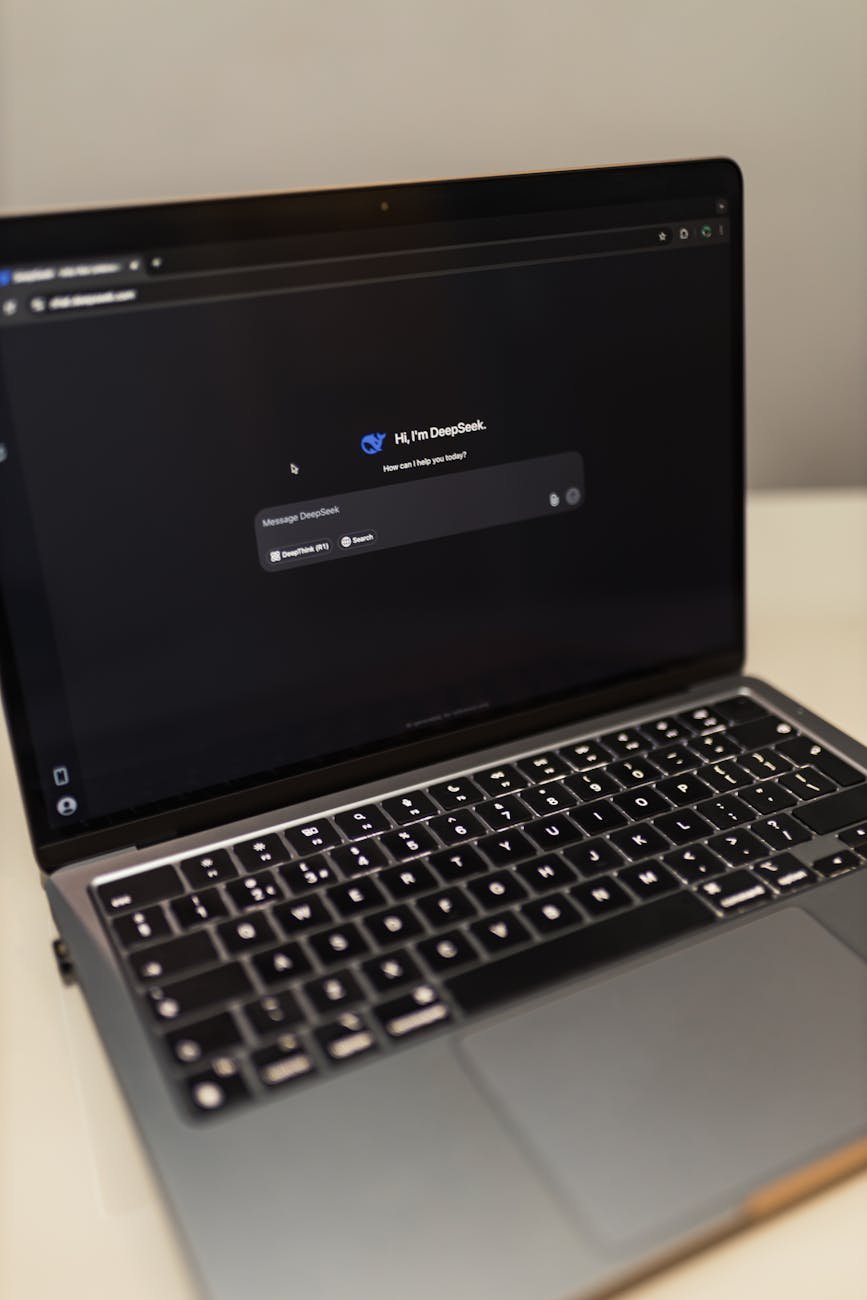
Unlocking the Hidden Potential of AI Automation
Estimated reading time: 6 minutes
- AI technology offers substantial opportunities for efficiency and growth.
- Customization in automation is crucial for addressing unique business needs.
- Practical applications of AI can lead to significant cost savings, especially for small businesses.
- Successful integration of AI requires employee engagement and training.
- Building a culture that embraces change is essential for maximizing AI’s potential.
Table of Contents
- The Hidden Opportunities in AI Automation
- Practical Automation Applications
- The Small Business Perspective
- AI Automation and Workflow Tools
- Conclusion: Navigating the Future
The Hidden Opportunities in AI Automation
Many businesses think of AI as an innovation just for tech giants. But the reality is, the landscape is changing. Small to mid-sized companies can no longer afford to sit on the sidelines. Companies that shy away from investing in automation tools are risking obsolescence. Visibility and capacity management, like what Gridcare is championing, isn’t just a public utility issue; it can lead to cost savings and efficiency for any organization. Imagine finding operational slack in your own processes—which, let’s be honest, we all have.
One standout trend in this domain is the rise of automation in business processes. We see companies like AITechScope helping medium-sized businesses develop their capacities and fortify operations through intelligent workflow design. But here’s the tricky part: not every solution fits all. Some may promise to “transform” your workflow, but ultimately, you must dig deeper. For instance, if you’re managing a 20-person digital marketing agency, an off-the-shelf automation tool might not accommodate your unique project management requirements.
Instead, consider going custom. Tailoring your automation to fit your specific challenges can yield better results. Custom solutions mean you can address gaps that pre-packaged tools may overlook, like data sharing between CRM and marketing platforms. The world isn’t just about tech convenience; it’s about taking a tailored approach that fits your unique business model.
Practical Automation Applications
When you first venture into AI-powered automation, the first question should be: “Where can I save time and money?” This isn’t just theoretical. Take a scenario involving customer service. Research shows that 70% of customer inquiries could potentially be resolved through automation. Why should your support team struggle with repetitive inquiries? Implementing chatbots that can answer FAQs can free up your staff for more complex issues, shifting their focus from mundane tasks to real value-adding activities.
Another example can be seen in supply chain management. Companies like Amazon are now utilizing smart inventory management systems that analyze real-time data to forecast demands. If you’re running a retail store, you can deploy similar inventory algorithms to minimize overstock and streamline orders, reducing costs substantially. These types of applications demonstrate that practical automation is not just about replacing what you already do but rather enhancing operations to work smarter.
The Small Business Perspective
Now let’s get down to the nitty-gritty: What does this mean for small and mid-sized businesses? The benefits can be substantial. Many small businesses often overlook the astounding potential of data-driven decision-making. You may think that with a limited budget, AI tools are out of reach. But smaller, more adaptable solutions are emerging that offer extensive functionalities at a fraction of the cost.
For instance, a 10-person agency can implement n8n or similar workflow automation tools to automate tasks like lead generation or data entry. This frees up time for your creatives to focus on developing high-value projects, rather than getting bogged down in bureaucratic inefficiencies. I can guarantee that a thoughtful approach to automation can give you a competitive edge against larger companies that might be slower to adapt.
It’s also crucial to highlight what might get lost in the typical “AI is the future” narrative. Amid all the excitement about shiny new tools, some companies make the mistake of neglecting basic human factors—like employee buy-in and training. It’s not just about slapping a new tool on your team; it’s about creating a culture that embraces change and continuously seeks to optimize processes.
AI Automation and Workflow Tools
As business owners, you have a unique vantage point in the AI landscape. Tools like AITechScope’s offerings can create platforms for better delegation and workflow efficiency, letting you manage your priorities with ease. Consider automation as a labor-saving measure that allows your team to shift from mundane tasks to core business activities.
You don’t need to be a tech-savvy genius to find ways to integrate AI into your business. Whether it’s through task automation tools or AI-driven analytics, your processes can become better aligned with your strategic goals. Imagine spending less time fussing over internal functions and more on interaction with customers or brainstorming your brand’s next creative move.
Conclusion: Navigating the Future
So, what’s the takeaway? Don’t let superficial claims cloud your judgment. Dig deep, explore your options rigorously, and carefully tailor AI solutions that align with your specific needs. Businesses like Gridcare are out there demonstrating potential fields of innovation, but the true journey into AI is personal and requires you to ask tougher, more pointed questions.
The future is here, but only if you’re prepared to navigate it with both caution and excitement. There’s potential to be unlocked—not in a vague “transformation” sense—but in real, practical ways that make your business more efficient, more human, and ultimately, more profitable. If you want a partner to help you along that path, consider reaching out to experts who can guide you through AI automation and tailored workflow solutions that fit your business like a glove.
FAQ
- What is AI?
- How can I implement AI in my business?
- What are the benefits of AI automation?
- Can small businesses leverage AI?
What is AI? AI, or Artificial Intelligence, refers to the simulation of human intelligence in machines designed to think and act like humans.
How can I implement AI in my business? You can start by identifying repetitive tasks and researching automation tools that fit your specific business needs.
What are the benefits of AI automation? AI automation can lead to increased efficiency, reduced operational costs, and enhanced decision-making through data-driven insights.
Can small businesses leverage AI? Yes, small businesses can use a variety of affordable tools that offer automation and AI capabilities tailored to their size and budget.