
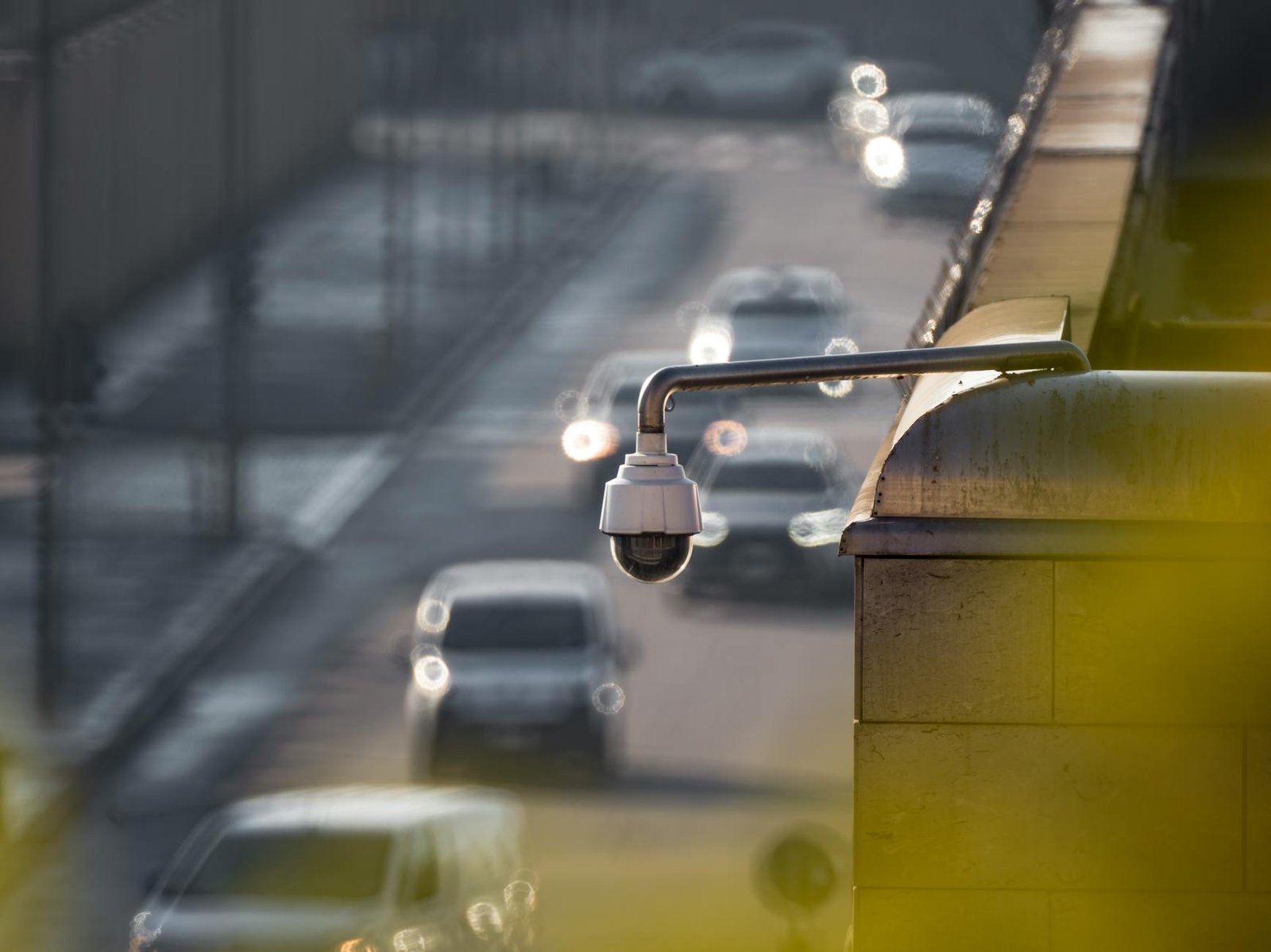
AI and Public Safety: How Obvio is Transforming Traffic Monitoring
Estimated reading time: 5 minutes
- Obvio’s AI-powered cameras aim to enhance traffic safety without compromising privacy.
- Smart automation can lead to better decision-making and operational efficiency.
- The balance between safety and surveillance raises important ethical questions.
- Small businesses can leverage AI to improve operations and worker safety.
- Invest in targeted AI solutions for gradual and effective implementation.
Table of Contents
AI in Traffic Safety: More Than Just Cameras
Obvio’s cameras might seem like a niche application, but when we peel back the layers, they reflect larger trends in AI. Smart automation isn’t just about eliminating human error; it’s about providing context-aware solutions that help people make better choices. AI may feel like it’s encroaching on privacy, but as this initiative shows, it can also serve public interests. The question remains: Can we trust these systems?
Practical Applications of AI-Powered Surveillance
Instead of drowning in theoretical discussions, let’s look at real-world impact. Obvio plans to use cameras equipped with machine learning algorithms to analyze driving behavior at stop signs. Imagine you run a small delivery business with five vans. Each driver hits multiple stops daily. They can be tempted to roll through that stop sign when they’re running late. But what if you could monitor their compliance?
AI can analyze traffic patterns and identify risky behavior across your fleet, offering insights that lead to better driving habits. Fleet efficiency touches on cost management, insurance rates, and even safety perceptions in your community. If your drivers know they’re being watched, chances are they’ll think twice before skipping that stop.
Moreover, the long-term benefits can extend beyond just compliance; they could impact everything from route planning to maintenance schedules. More than buzzwords, this demonstrates how AI can deliver actionable intelligence, turning mundane driving into a data-driven process.
The Privacy Paradox: Balancing Safety and Surveillance
Here’s where I get a bit contrarian: While AI’s potential to improve safety is undeniable, we must tread carefully. The conversation often leans toward whether these systems are ethical—rightly so. But let’s also question if they’re truly effective.
For instance, imagine a city deploying hundreds of these cameras. Data collection ramps up, but without proper regulations, who owns this data? Can it be misused? Are companies like Obvio, in their quest to enhance traffic safety, inadvertently laying the ground for a surveillance state?
You see, there’s a fine line between intelligent automation and reckless privacy encroachment. As a business owner, consider how you would handle the data streams from AI solutions. Will you protect individual privacy while still gathering insights? Navigating this path requires vigilance lest you inadvertently alienate your clientele.
Implications for Small to Mid-Size Businesses
So, what does this mean for you—especially if you run a small or mid-size operation? For one, embracing technologies that prioritize worker safety without invading privacy can differentiate your brand. Offering a secure and respectful work environment is a major selling point today.
Using AI tools to monitor driver behaviors can significantly impact your bottom line. The insights you gain can help guide training sessions and operational changes, boosting efficiency. However, don’t just jump into AI because it’s the thing to do. Start small. Invest in one aspect of your operation—such as fleet analytics—before diving into automating your entire suite of services.
And let’s face it: navigating the complexities of these technologies can feel overwhelming. But here’s the kicker—you don’t have to do it alone. Collaborating with companies specializing in workflow automation and AI integration can take the pressure off while allowing you to capitalize on the possibilities.
AI Automation Tools Worth Exploring
Consider platforms like n8n, which facilitate simpler automation between different services without overwhelming you with complex coding requirements. If you operate a small marketing agency, for example, you could use n8n to automate client reporting processes. Instead of manually pulling data from various sources, you can turn it into a consistent, easy-to-digest format in seconds. This lets you focus more on strategy and less on the mundane.
Moreover, as you contemplate AI-powered solutions, think about integration. How will your existing systems interact with new tools? Services like those provided by AITechScope can demystify this process. From workflow development to complete automation setups, they offer a gentle hand through the chaos that often accompanies adopting AI technologies.
The takeaway? You’re not just investing in tech; you’re investing in your peace of mind and the long-term viability of your business. Small implementations can yield massive ongoing dividends.
Conclusion
As we continue to unpack the implications of AI technologies in our daily operations, let’s remember that savvy business owners are those who don’t simply jump on the next hot trend. Instead, they assess their needs and proceed with caution. Intelligent adoption of technology will provide insights, improve efficiencies, and maintain an ethical approach.
But don’t let the fear of the unknown paralyze you. Every innovation comes with risks, yet the rewards are often worth seizing. So grab your favorite cup of coffee and ponder how AI solutions can support your ambitions. With the right approach, you could make innovation an integral part of your business strategy.
FAQ
- What are AI-powered cameras? AI-powered cameras use machine learning algorithms to analyze and improve driving behavior, aiming to enhance road safety.
- How can small businesses benefit from AI? Small businesses can leverage AI for operational efficiencies, improving worker safety, and gaining insights from data.
- Is there a risk of privacy invasion with AI surveillance? Yes, the use of AI surveillance raises important ethical and privacy concerns that need to be managed responsibly.
- What should I consider before implementing AI solutions? Assess your specific needs, start small, and ensure that privacy rights are protected while leveraging the technology.