
Did You Know AI is Curbing Dangerous Driving?
Estimated reading time: 5 minutes
- AI is transforming public safety with practical solutions.
- Integrating AI can enhance operational efficiency in small businesses.
- AI may redefine job roles instead of replacing them.
- Small and mid-sized businesses have unique advantages in adopting AI.
Table of Contents
- AI in Everyday Application: Safety and Beyond
- The Real Cost of Operations: A Case for Automation
- Can AI Impact Employee Tension? Absolutely
- Why It’s Not Just About the Big Players
- What This Means for Small and Mid-Size Businesses
AI in Everyday Application: Safety and Beyond
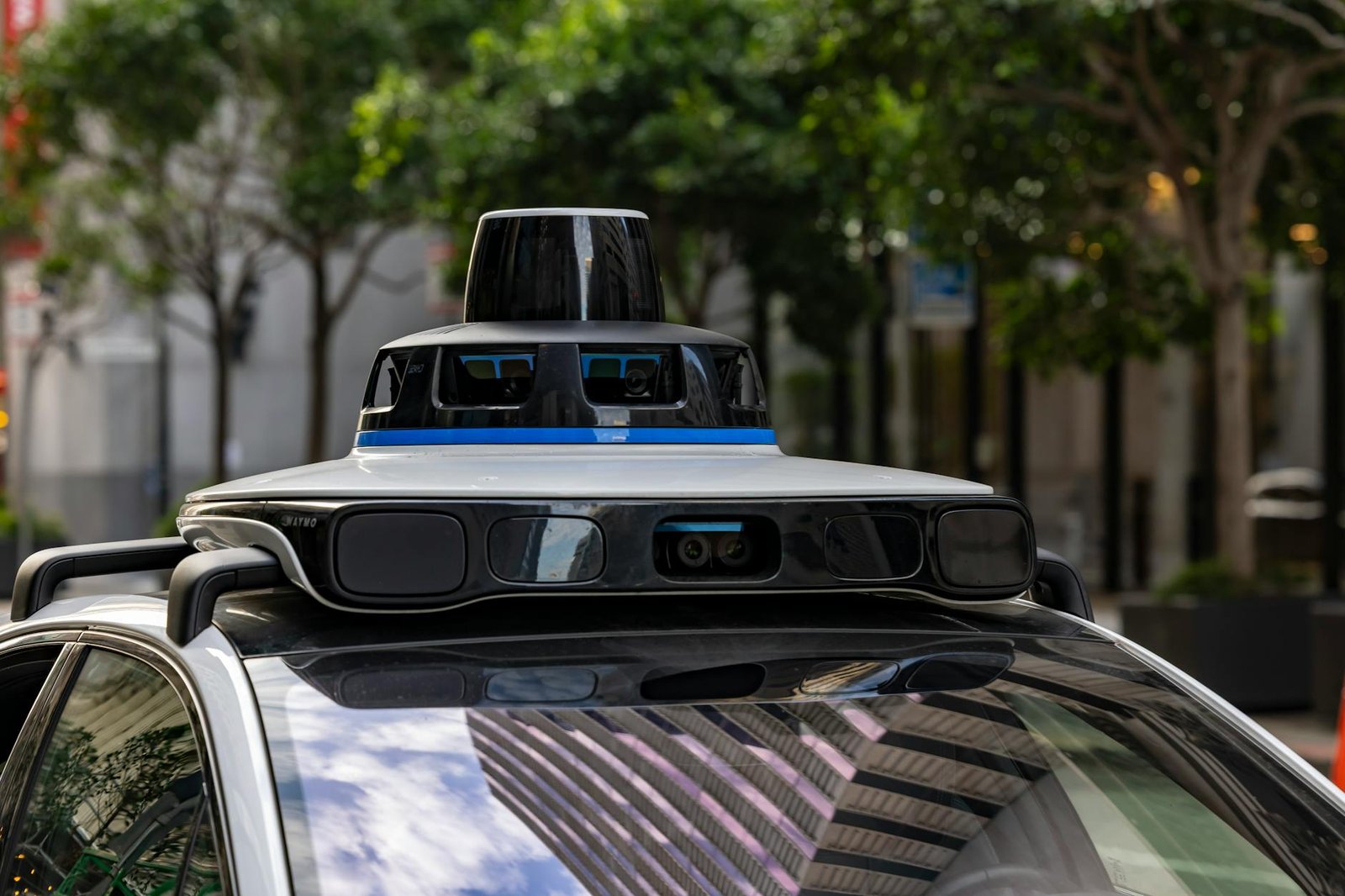
Did you know that a San Carlos startup is using AI to curb dangerous driving at stop signs? While that might sound like just another tech gimmick, it brings up a larger conversation about the impact of AI on our daily lives, especially in unexpected places. AI’s role in public safety is evolving. It’s not just about chatbots answering queries or auto-generating reports anymore. We’re now witnessing cameras that can detect unsafe driving behavior and potentially save lives.
This ongoing trend reflects a broader shift in how businesses are tapping into AI-powered solutions. Not all of them are flashy, and that’s a good thing. Instead of chasing the latest buzzword, the focus is becoming more pragmatic: how can automation and AI help you work smarter, and what does that mean for your business model?
The Real Cost of Operations: A Case for Automation
Imagine you run a 10-person agency. You want to scale your services but find rising operational costs also nibbling away at your margins. This is where AI-powered automation can come into play. Platforms like n8n enable workflow automation that connects disparate tools and systems, allowing you to reduce the time spent on repetitive tasks.
For instance, you could set up a workflow that automates client follow-ups and manages project deadlines. This isn’t just theoretical; many small businesses have reported time savings of 30% or more by using automated workflows. This steady, incremental improvement could very well be the secret sauce to getting you ahead of competitors who are still chained to manual processes or outdated systems.
The need for efficient operations isn’t just a trend; it’s a necessity. With the right tools, your agency can focus on what truly matters: delivering high-quality results to your clients. The longer you wait to integrate these technologies, the more you risk falling behind.
Can AI Impact Employee Tension? Absolutely
Let’s address the elephant in the room: fear. There’s a palpable tension surrounding AI, especially when it comes to job security. A common narrative is that AI will replace jobs, leading to an existential crisis for many. But rather than viewing AI as a direct threat, consider it an opportunity to redefine roles in your business.
Imagine integrating AI tools that handle the mundane aspects of a role—administrative tasks, data entry, preliminary analysis—and creating more value-added positions. Your team could focus on higher-level creative and strategic initiatives. According to a 2023 survey by McKinsey, companies integrating automation saw employee satisfaction increase by 25%, as workers found their jobs much more engaging.
Not only does this reduce turnover and save costs associated with hiring and training, but it can also foster a culture of innovation. Regaining your team’s attention on meaningful work can spur insight and creativity; suddenly, your agency isn’t just another middleman. Your business becomes a thought leader in your domain.
Why It’s Not Just About the Big Players
Often, we look at AI through the lens of massive corporations—think Google or Amazon—but that perspective masks opportunities for smaller businesses. We’re led to think only established giants can truly capitalize on AI’s benefits. But two things are true: they’re often the slowest to adapt due to their own internal complexities, and small and mid-sized businesses can nimbly pivot without layers of bureaucracy.
Think about local delivery services or mom-and-pop shops utilizing AI for route optimization and inventory management. Simple adjustments can lead to significant operational efficiencies and cost savings, and these aren’t limited to tech giants. Be the David to the Goliaths around you by being agile and informed.
Don’t shy away from exploring AI solutions suited to your size and sector. You can use simple tools that integrate into your existing processes—ones that don’t require a team of data scientists to implement and maintain. Many solutions prioritize usability, democratizing access to automation.
What This Means for Small and Mid-Size Businesses
In today’s environment, adopting AI is no longer optional. Small and mid-sized businesses need to transition toward automation and AI-powered tools or risk stagnation. But there’s hope. While the giants are often distracted, you can be agile, adopting the latest tools without the weight of legacy systems.
The shift toward automating workflows and using AI is not just about survival. It’s an opportunity to enhance your business and rethink how you operate. Companies that turn to AI for genuine solutions rather than flashy promises can harness more productive, creative teams.
Using tools like n8n enables you to construct workflows that automate vital functions without the steep learning curve generally associated with advanced technologies. Think of AI as a partnership rather than an enemy.
In a world where every improvement counts, even small changes can add up to big results.
As you contemplate the role of AI in your business, remember that a measured, practical approach is key to integrating these technologies effectively. Your path to improvement doesn’t require reinventing the wheel; it can be about better delegating tasks and deploying intelligent automation solutions that allow your business to flourish.
If you’re intrigued by how AI could fit into your operational strategy, consider how an expert partner might assist in integrating these solutions practically. AITechScope specializes in automating processes tailored to your unique needs, helping small and mid-size businesses navigate this evolving landscape. Maybe it’s time to chat about your next steps.
FAQ
What are some practical uses of AI in small businesses?
AI can streamline operations through automation of repetitive tasks, improve customer interactions with personalized experiences, and enhance decision-making with data analytics.
AI can streamline operations through automation of repetitive tasks, improve customer interactions with personalized experiences, and enhance decision-making with data analytics.
How can I ensure that AI implementation won’t threaten jobs in my company?
View AI as a tool to augment human capabilities, allowing employees to focus on higher-level tasks instead. Proper training and role redefinition can also ease concerns.
View AI as a tool to augment human capabilities, allowing employees to focus on higher-level tasks instead. Proper training and role redefinition can also ease concerns.
Is AI only beneficial for large corporations?
No, small and mid-sized businesses can utilize AI tools effectively by choosing solutions that fit their resources and capabilities, often with significant agility over larger competitors.
No, small and mid-sized businesses can utilize AI tools effectively by choosing solutions that fit their resources and capabilities, often with significant agility over larger competitors.