
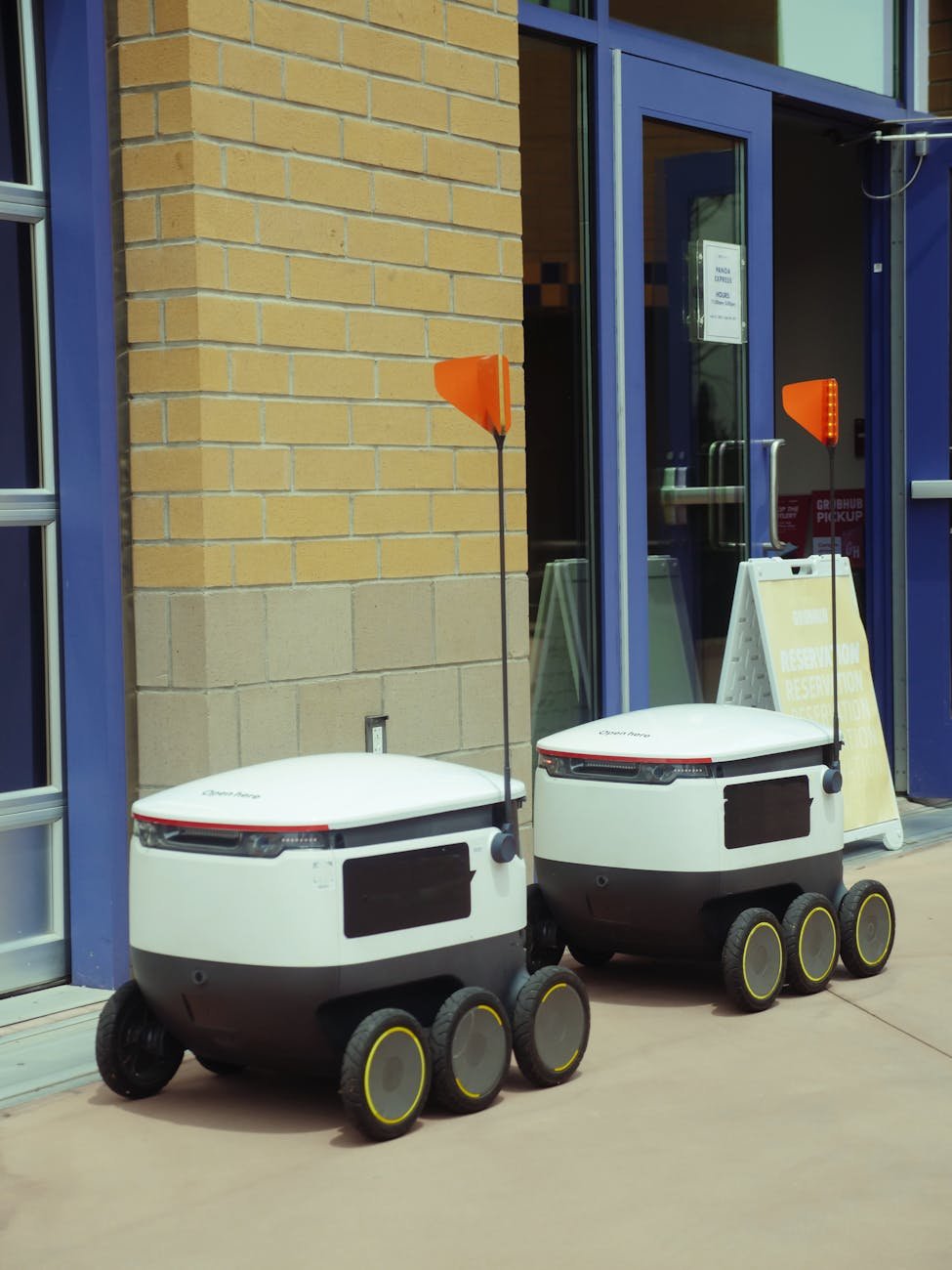
How AI is Revolutionizing the Logistics Industry
Estimated reading time: 7 minutes
- AI is reshaping operational efficiency in logistics.
- Real-time decision making can significantly reduce operational costs.
- Safety integrations are vital in AI applications.
- Smaller businesses can leverage accessible AI technologies.
- AI tools should be tailored to specific business needs for effectiveness.
Table of Contents
- The Rising Tide of AI in Transportation
- Real-Time Decision Making
- Safety First
- Navigating the AI Hype
- Impact on Small and Mid-Size Businesses
- The Role of AI Automation and Workflow Tools
- Thinking Ahead
- FAQ
The Rising Tide of AI in Transportation
Obvio’s initiative with stop sign cameras is just the tip of the iceberg. The traffic landscape is shifting because technology isn’t merely upgrading; it’s teaching machines to think more like humans. These cameras analyze driving behavior and flag risky maneuvers to improve pedestrian safety and alter how we think about surveillance at intersections. But what does that mean for your business?
Well, let’s break this down. Regardless of your industry, whether you’re a small package delivery service or a global shipping conglomerate, the challenge remains the same: operational efficiency. Implementing AI in logistics could mean deploying automatic routing systems that reduce fuel consumption by 10-30% (as estimated by the American Transportation Research Institute).
Real-Time Decision Making
Consider this: you rely on drivers to make decisions on the fly or report issues. What if an AI system could assess traffic conditions, optimize routes, and proactively communicate changes to drivers? It’s not just about avoiding traffic jams; it’s about using data to make real-time adjustments that save money.
A real-world example is UPS, which uses advanced algorithms in their ORION system. Last I checked, the company claimed to have saved over 10 million gallons of fuel annually by optimizing delivery routes. Imagine the cumulative effect those savings could have for your bottom line.
Safety First
You might be wondering how all of this AI wizardry translates to improved safety. Remember that story about Obvio’s cameras? Safety applications are becoming a staple in AI deployment. Companies are not just looking at efficiency; they are layering safety protocols into the AI frameworks they’re building.
Let’s take a note from the construction industry, where drones equipped with AI analyze site conditions. They won’t just spot hazards; they help teams train and adjust behavior based on data-driven insights. You might think, “That’s great for big firms.” But what about a small construction team needing to keep workers safe while staying nimble? Safety automation integrated with AI analytics can drastically reduce on-site injuries—a critical factor when keeping insurance premiums in check.
Navigating the AI Hype
Now, here’s where we challenge the mainstream view. Many buzzwords float around AI, rendering it almost a magic solution to every problem. Yet, what truly matters isn’t only adopting the latest technology but discerning which AI tools resonate with your specific business needs.
You could spend loads on fancy AI tools and software, but what if they don’t align with your objectives? AI isn’t a universal remedy; it requires thoughtful integration. Sometimes, a simple automation using tools like n8n for workflows can be far more effective than the latest “revolutionary” AI tool aiming to cure all your ills.
So, how do you avoid the hype? Focus on the problems that keep you awake at night. Are you struggling with inventory management or customer engagement? Start there. Find AI solutions tailored for those specific tasks instead of getting swept up in grand claims that will never fit your business model.
Impact on Small and Mid-Size Businesses
But what does all this mean for you—a business that might not have the budget of a major player? Fear not; AI is increasingly accessible. Remember that logistics example earlier? Smaller players can adopt similar tactics, leveraging AI services without needing to build expensive in-house systems.
Let’s say you run a 10-person agency managing marketing campaigns. You could benefit immensely from AI-driven customer insights. Tools like HubSpot and Zapier already implement AI features for lead scoring and workflow automation. These integrations save time and provide deeper analytics without requiring a developer on staff. In fact, small agencies using AI technology report a 20-30% increase in campaign effectiveness simply because they can better tailor their strategies to what customers want.
What’s crucial is keeping your eyes peeled for these kinds of advancements. If you’re standing still while others adopt new technologies, you risk losing market share.
The Role of AI Automation and Workflow Tools
Integrating AI isn’t just about snazzy tools that sound impressive. It’s about practicality—how do they improve your workflow? Look at n8n, a powerful open-source automation tool. It allows businesses to develop complex workflows without needing extensive programming knowledge. Imagine being able to automate data entry or notifications based on consumer data—saving hours of manual labor along the way.
But let’s dispel a common myth: Automation and AI don’t entirely replace human labor; they enhance it. Your team can focus on more strategic tasks rather than repetitive ones, fostering a more engaged and productive environment.
Thinking Ahead
At the end of the day, understanding AI in your field isn’t just an exercise in keeping up with trends. It’s about getting ahead of them. Being aware of how AI tools can specifically mitigate risks, enhance efficiencies, and improve safety can empower your business decisions.
Look around. The world is not as full of magical tech as some would lead you to believe. Instead, it’s a world ripe for practical solutions. Keeping a healthy skepticism toward AI hype serves your interests. And as AI becomes an ever-present part of our operations, consider evaluating how it can best serve your business’s unique set of needs.
If you’re ready to explore how AI could optimize your processes, from workflow automation to business strategy, AITechScope is here to help. In an evolving technological landscape, you don’t have to face these changes alone.
FAQ
- What is AI in logistics?
- How does AI improve safety in logistics?
- Can small businesses use AI tools effectively?
- What are the costs involved in integrating AI?