
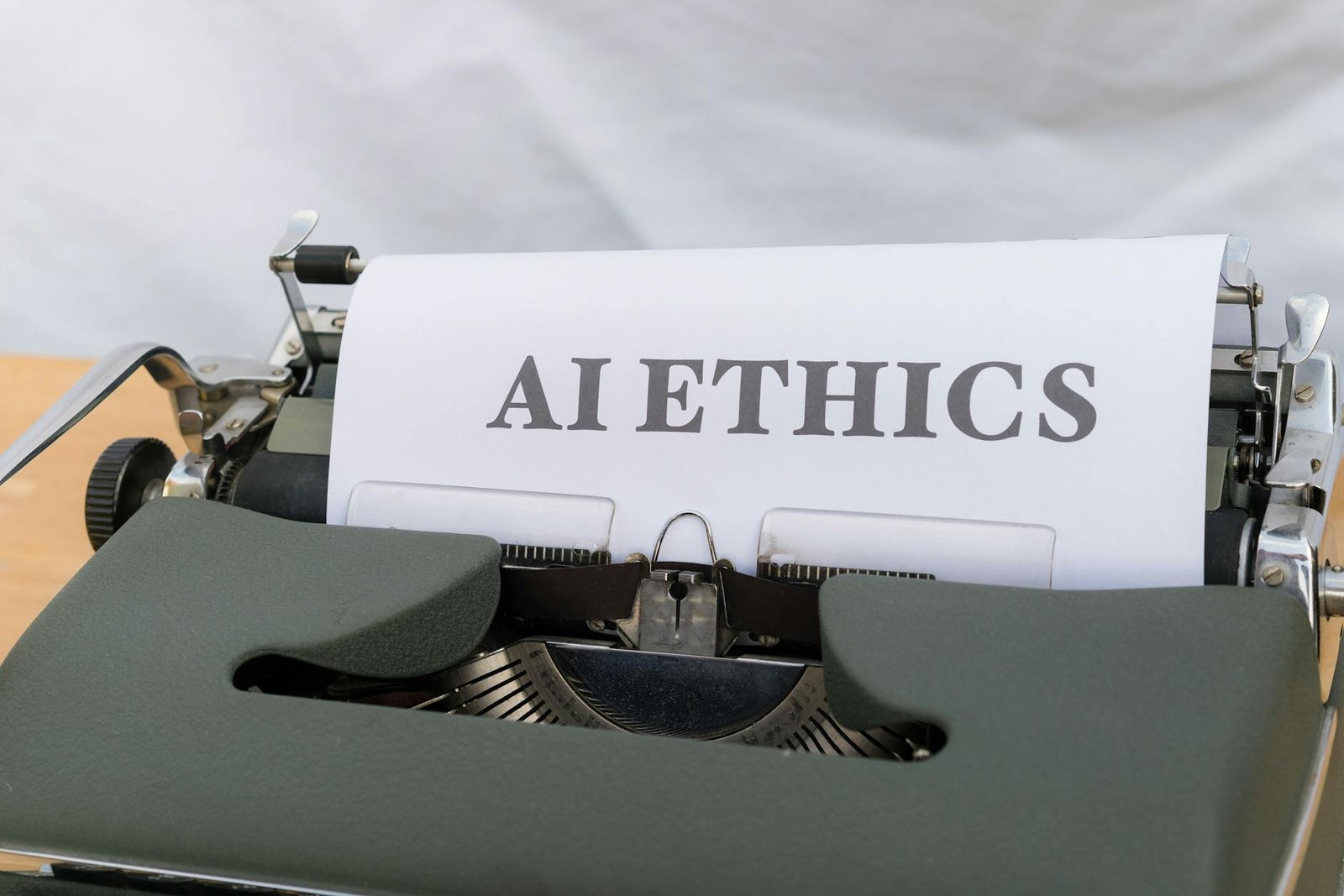
The Ethical Implications of AI Technologies in Business
Estimated Reading Time: 6 minutes
- AI technologies are reshaping business landscapes but raise ethical concerns.
- Balancing productivity with privacy is crucial for maintaining trust.
- Small to mid-sized businesses must evaluate the impact of AI tools.
- Transparent AI solutions can enhance operations without compromising ethics.
Table of Contents:
- AI’s Increasing Presence in Everyday Life
- The Ethical Quagmire of AI Technologies
- Privacy Versus Productivity
- Brand Trust in the Age of Surveillance
- Implications for Small to Mid-Sized Businesses
- Connecting to AI Automation & Workflow Tools
- Closing Thoughts
AI’s Increasing Presence in Everyday Life
So, what’s the main trend here? It’s the aggressive adoption of AI technologies that track, record, and analyze human behavior, often without people even realizing it. Look at the recent introduction of smart glasses from a startup launched by a couple of Harvard dropouts. These devices are designed to be “always on,” capturing every conversation in their field of view. If you don’t think this will have implications for businesses and consumers alike, you might want to reassess your assumptions. These developments present a double-edged sword for entrepreneurs; the potential for efficiency gains is countered by ethical dilemmas that could alienate customers and impact your brand reputation.
Imagine you’re the owner of a 10-person agency focused on digital marketing. Your team is under pressure to deliver results quickly and innovate continuously. You hear about these smart glasses that could record meetings and automatically transcribe notes, saving time and eliminating the risk of miscommunication. Sounds appealing, right? But consider the ramifications: Do you want to work in an environment where team members are constantly aware they might be recorded? Will clients feel comfortable sharing their ideas if they suspect every exchange is being logged, analyzed, and possibly exposed?
The Ethical Quagmire of AI Technologies
Privacy Versus Productivity
Let’s delve into the tension between privacy and productivity. It seems clear that technology is often marketed as a means to boost productivity. Smart glasses that can record or AI assistants that can transcribe spoken words into text offer conveniences. Yet, how do you balance that against the very real concerns about privacy?
If you think employees or clients will be blissfully accepting of these new technologies, think again. A study conducted by IBM in 2023 found that 60% of employees felt their privacy was being compromised by workplace surveillance technologies. So, while you may think you’re making a wise investment in efficiency tools, you could be inadvertently creating a work culture that stifles creativity and open dialogue. If your team feels like they’re always on the clock—even outside of office hours—do you think they’ll perform at their best?
Brand Trust in the Age of Surveillance
Now, let’s talk about brand trust. Trust has become a crucial currency in the digital age. Do you remember the backlash businesses faced during the Cambridge Analytica scandal? Consumers are attuned to how businesses collect and use their data. When the tools you adopt raise red flags concerning data privacy, the repercussions can be swift and damaging.
Take, for example, the reaction to a widely publicized smart home device that was discovered to be recording conversations without adequate notification. The backlash didn’t simply hurt sales; it led to a decline in user trust, and customers flocked to competitors. If customers feel uncomfortable with your use of AI technologies, they won’t hesitate to take their business elsewhere. As a business owner, you need to ensure that your tools respect customer privacy and encourage transparent interactions.
Implications for Small to Mid-Sized Businesses
What does all of this mean for small and mid-sized businesses (SMBs)? Your budget for technology might not be as vast as that of larger corporations, but the stakes are equally high, if not higher. You need to be proactive in considering what technologies you adopt.
Using AI-driven tools can enhance productivity and efficiency, but you need to evaluate their impact on your company culture and customer relationships. If you’re considering adopting an AI tool that has the potential to track personal communications, ask yourself: Does it align with my company values? Will it make my employees feel valued or surveilled? The bottom line is that ethical considerations should be baked into every tech decision.
Imagine running a small startup that prides itself on being innovative and customer-centric. If word gets out that your company is using technology that could compromise customer privacy, it won’t just be a public relations crisis; it could compromise the very foundation upon which your business is built.
Connecting to AI Automation & Workflow Tools
All this talk about the potential downsides of AI can overshadow a critical point: There are many AI automation and workflow tools that genuinely enhance business processes without crossing ethical lines. For example, tools like Zapier allow seamless integration of various applications without the invasive tracking of individual conversations. This is about optimizing workflows without sacrificing transparency or privacy.
Additionally, consider implementing task automation tools that help you achieve routine functions while keeping data protection at the forefront. These technologies not only save time but create a work environment where team members feel they can produce without being constantly monitored.
Closing Thoughts
As you venture into the world of AI and automation, remember that the tools you choose to implement can shape your business’s culture and reputation. The balance between convenience and ethics may seem hard to navigate, but the right decisions can set you apart from your competitors. While AI tools can free up your resources for more strategic endeavors, maintaining transparency and trust should always be your guiding principles.
If you’re uncertain about what AI solutions would best suit your business—and address your ethical concerns—think about connecting with a specialist. At AITechScope, we know how to align AI-powered tools with your business needs without compromising the values that matter to you and your clients.
Frequently Asked Questions
What are smart glasses and how do they impact privacy?
Smart glasses are wearable devices that capture video and audio in real-time. Their impact on privacy stems from the potential for unauthorized recording in personal and professional settings, raising concerns among employees and consumers alike.
How can businesses ensure the ethical use of AI?
Businesses can ensure ethical AI use by prioritizing transparency, conducting regular privacy assessments, and aligning AI tools with company values that respect customer rights and foster trust.
What are some examples of ethical AI tools?
Examples of ethical AI tools include workflow automation platforms like Zapier and project management tools that prioritize user privacy and do not record personal communications.