
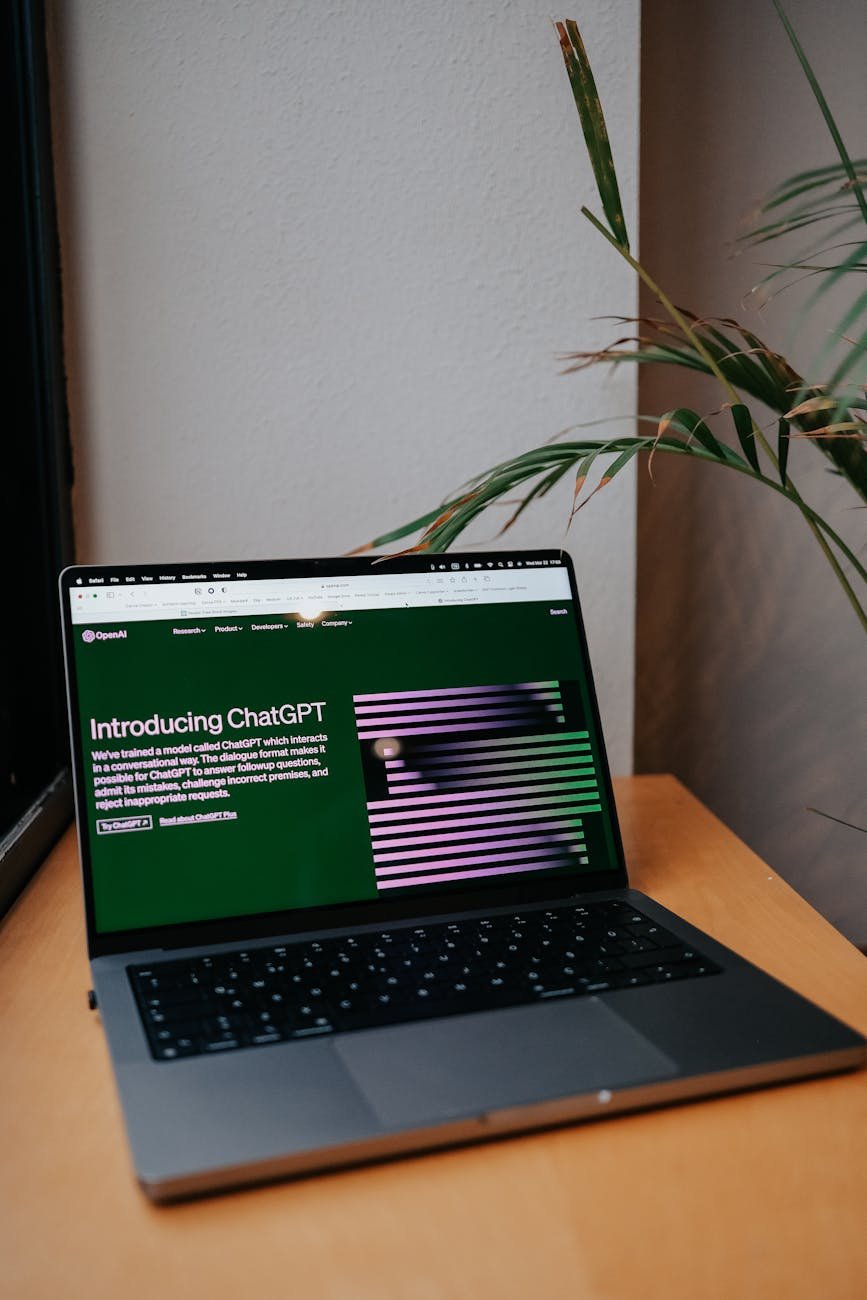
The Impact of AI on Small Business Operations
Estimated reading time: 6 minutes
- Almost 80% of business owners fear falling behind due to technology changes.
- AI-powered automation tools are transforming business operations.
- Small businesses can adapt quickly and benefit from automation.
- Proper implementation of AI is crucial for success.
- Skepticism around AI can help filter out unnecessary tools.
Table of Contents
The Rise of AI-Powered Automation Tools
This isn’t just about flashy tech or the latest buzzwords. AI tools are genuinely reshaping how businesses operate. Just a few years ago, automation was largely relegated to simple tasks—think repetitive data entry or sending templated emails. Today, advanced AI tools can handle customer inquiries, optimize supply chains, and even forecast sales based on consumer behavior.
Imagine running a small retail business. You’re already juggling inventory, staffing, and customer service. Now, what if you could automate your inventory management through AI-led tools that track sales patterns in real time? Last month, Walmart announced their integration of smart inventory systems to optimize stock levels across hundreds of stores—do you think they did that to keep pace with competitors?
And it doesn’t stop there. Companies like Zoho and Monday.com are paving the way by offering affordable AI-powered tools specifically designed for small- and mid-sized businesses, enabling entrepreneurs to scale without breaking the bank.
Real-World Impacts of AI Automation
To appreciate this shift, consider a 10-person marketing agency struggling to manage client communications. For a long time, the staff was drowning in emails and manual follow-ups. They faced burnout, which led to errors and missed opportunities. When they decided to implement a personalized AI virtual assistant, suddenly, the assistant could handle customer inquiries and schedule follow-ups based on client engagements. Within three months, the agency saw a 30% increase in client satisfaction and a significant uptick in retention rates.
How did they achieve that? By making a smart investment in technology that targeted a fundamental operational hiccup. The lesson here? It’s not just about having the technology; it’s about using it strategically.
Why Small and Mid-Sized Businesses Must Adapt
You might believe AI is only for tech giants, yet that’s a misconception. As a small or mid-sized business, you’re in a prime position to innovate without the bureaucratic drag that plagues larger organizations. Your agility can work in your favor. Doing things manually is comfortable, but as you grow, the risks associated with that comfort increase—there’s a threshold where it no longer makes sense.
A recent report from McKinsey revealed that more than 50% of small businesses that invest in automation experience growth at rates above their competition. So, if you’re contemplating where to allocate your budget next year, consider AI tools not as luxuries but as necessities.
Challenging the Status Quo: Skepticism is Healthy
Let’s be real for a moment: the hysteria around AI has reached nauseating levels. You don’t have to jump on every new trend that comes your way. Just because a tool is AI-powered doesn’t automatically mean it will solve all your issues. Some companies are contractually bound to supposedly “intelligent” systems that ultimately provide little more than complication.
Your agency doesn’t need every new software promising to make you faster and smarter; sometimes, simpler is better. Make sure those tools don’t become an added burden. There’s a balancing act between adopting new technologies and finding what truly enhances your workflow.
Let’s say you’re deciding between one of those new AI chatbots that everyone raves about and sticking to your current email system. Ask yourself: how much time would an AI chatbot truly save? Will it integrate seamlessly with your other systems? What are others saying after using it for several months? The consensus can provide insight that pure marketing often misses.
Connecting Automation Tools to Real Impact
Automation is no longer just a buzzword—it’s a lifeline. Tools like n8n thrive by enabling businesses to create workflows that cater to their specific needs, which might include integrating data from various platforms without requiring intricate coding knowledge. This means you can automate monotonous tasks while keeping decision-making in your hands. It’s like having a high-performing team member without the overhead costs—sounds appealing, right?
The beauty of these workflows is that they can scale with you. If your small business suddenly spikes in demand, automated processes ensure you can handle growth without losing the personal touch your clients value.
What This All Means for Your Business
Embracing automation and AI isn’t merely a choice for the forward-thinking entrepreneur; it’s increasingly becoming a necessity. If you don’t start using these tools, you risk watching competitors surpass you. Automation isn’t just a way to work less; it’s a way to work smarter and focus on what truly matters: innovation, customer satisfaction, and sustainable growth.
As someone who understands the pressures of running a business, I can tell you that the idea of AI sounds far more overwhelming than it actually is when done right. Start simple. Identify one area where automation could take a load off your plate, and test it out. If it works, expand your efforts.
As we explore these trends, it’s clear that understanding the uses of AI and automation tools can create tangible benefits for your business. If you feel lost in the sea of information out there, consulting with experts who specialize in AI-driven solutions can provide a clearer path. Companies like AITechScope can help tailor automation solutions that meet the unique needs of your operation.
The journey to adopting AI might feel daunting, but it’s a path well worth taking. Your business, and your sanity, will thank you.
FAQ
Q: What types of AI tools can small businesses use?
A: Small businesses can utilize AI tools for inventory management, customer communication, data analysis, and marketing automation.
Q: How can I determine if an AI tool is right for my business?
A: Assess its potential impact on your operations, user feedback, integration capabilities, and cost-effectiveness before making a decision.
Q: Are AI tools expensive?
A: Many AI tools offer scalable pricing models to accommodate small and mid-sized businesses, making them accessible without requiring large budgets.