
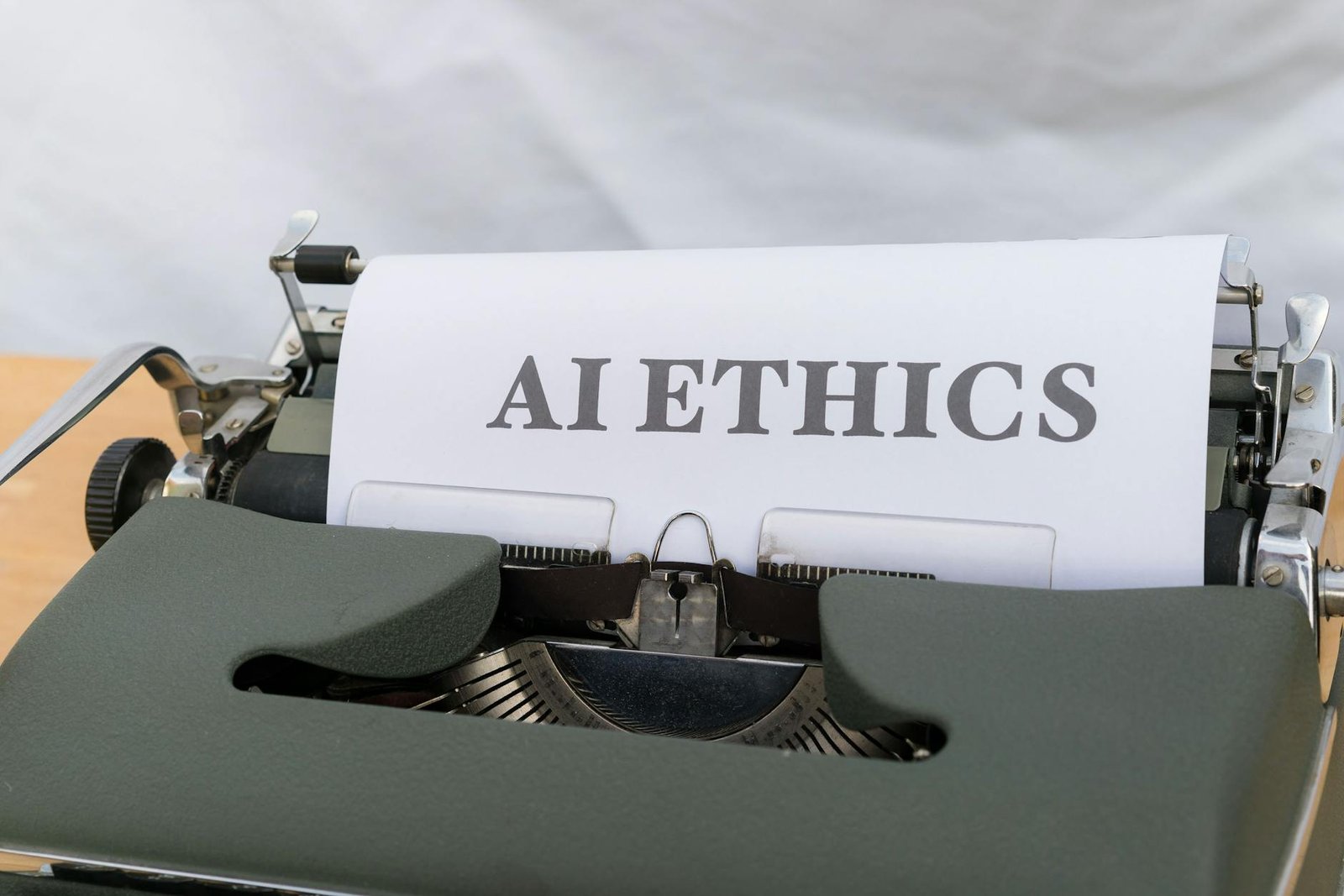
Navigating the Ethical Waters of AI Technologies in Business
Estimated reading time: 4 minutes
- Understanding the implications of “always-on” devices.
- The balance between AI efficiency and data ethics.
- Enhancing employee engagement with thoughtful tech integration.
- Strategies for small and mid-sized enterprises to benefit from AI.
- Finding the right balance between technology and human connection.
Table of Contents
Smart Tech Meets Real-World Concerns
Let’s talk about the emerging trend of “always-on” devices like those smart glasses. For many, the excitement around integrating AI into our everyday tools overshadows basic concerns about employee surveillance, data privacy, and ethical usage. Consider the implications of a device that lends itself to constant monitoring. What does it say about workplace culture when employees feel they’re being watched? Will it foster a sense of accountability or breed distrust?
Many businesses are jumping on the bandwagon of adopting new technologies without fully understanding the consequences. The headlines may sing praises of efficiency and innovation, but they rarely mention the long-term effects on employee morale and customer trust. It begs the question: Is your business genuinely ready for these technologies? Or are you simply following the trend?
The Reality of Data Ethics
When you think of AI, you often picture efficiency—not ethics. Yet, it’s becoming increasingly clear that integrating AI tools into your business comes with moral responsibilities. Take the case of Amazon, which has faced backlash over its surveillance tactics in warehouses, where workers have been closely monitored by AI systems. This tech can improve performance metrics, but at what cost? Would you want to be the business that prioritizes performance over worker well-being?
The rise of smart glasses serves as a case in point. They might streamline interactions by letting you record conversations—handy for capturing meetings, right? Yet, how many people are comfortable with the idea of being recorded without their consent? The ethical dilemmas are complex, but no discussion in the boardroom should be devoid of them. Given these implications, it’s critical to tread carefully, weighing potential gains against real-world consequences.
The Future of Employee Engagement
And then there’s the impact on employee engagement. There’s a strong desire, especially among younger employees, for transparency and ethical practices. Adopting AI-driven technologies without considering their effects on workplace dynamics could backfire. Imagine you run a 10-person agency; your team thrives on creativity and collaboration, yet you introduce monitoring technologies in the name of productivity. You may unintentionally stifle the very culture you sought to enhance.
Research has shown that employees who feel empowered and trusted—rather than observed—are more productive. Instead of seeking tighter controls over your workers via AI, consider how you might build systems that allow them to work more autonomously. Could AI tools facilitate flexibility and creativity rather than impose restrictions?
The Path for Small and Mid-Sized Enterprises
So, what does all of this mean for small and mid-sized businesses? Well, you’re often more nimble than larger corporations. Use that to your advantage. Explore how AI can offer you specific benefits tailored to your operations without compromising your core values. Your customers care about genuineness and the human touch in their interactions.
AI and automation can augment your skill sets instead of replacing them. For example, chatbots can handle customer inquiries outside office hours, freeing up your team to focus on high-value tasks during working hours. Implementing n8n for async workflow can markedly improve your internal processes, reducing manual tasks that might bog down your team. When used thoughtfully, these tools can enhance productivity without sacrificing ethics.
Consider starting small. Experiment with one AI tool that resonates with your business needs. Measure its impact on your operations, employee sentiment, and customer feedback. If it doesn’t align with your values or yield substantial benefits, pivot. Remember, integrating technology should enhance your workflow, not complicate it.
Embracing AI Automation & Workflow Tools
Speaking of thoughtful integration, let’s touch briefly on AI automation and workflow tools. We’ve entered an era where task automation can take a mundane job off your plate, allowing you or your employees to focus on what really drives your business. Tools like n8n can help you visualize and implement workflows that cut down on repetitive tasks, enhancing efficiency without introducing the pitfalls of excessive surveillance or control.
It’s easy to get lost in the allure of AI. But consider this: In your pursuit of efficiency, don’t overlook the human aspect of your organization. Technology should elevate your processes and reinforce the trust between teams and clients. Find the balance that suits your business model.
When pondering what steps to take next, it may be worth considering professional expertise. Outsourcing your AI tool integration or workflow optimization to a firm like AITechScope can save you time and prevent missteps. They can help tailor solutions that meet your needs while considering the ethical implications of technology.
In the end, stay ahead of the curve by questioning the status quo rather than chasing every shiny new object. You have the power to decide which technologies fit within your values and business goals. Let that guide you on your journey.
FAQ
What are the concerns surrounding AI technologies?
Concerns include employee surveillance, data privacy, and ethical implications of always-on devices.
How can small businesses leverage AI?
Small businesses can explore AI tools tailored to their operations to enhance productivity while maintaining core values.
What should businesses consider before adopting AI tools?
Consider the ethical implications, employee sentiment, and the potential impact on workplace culture.