
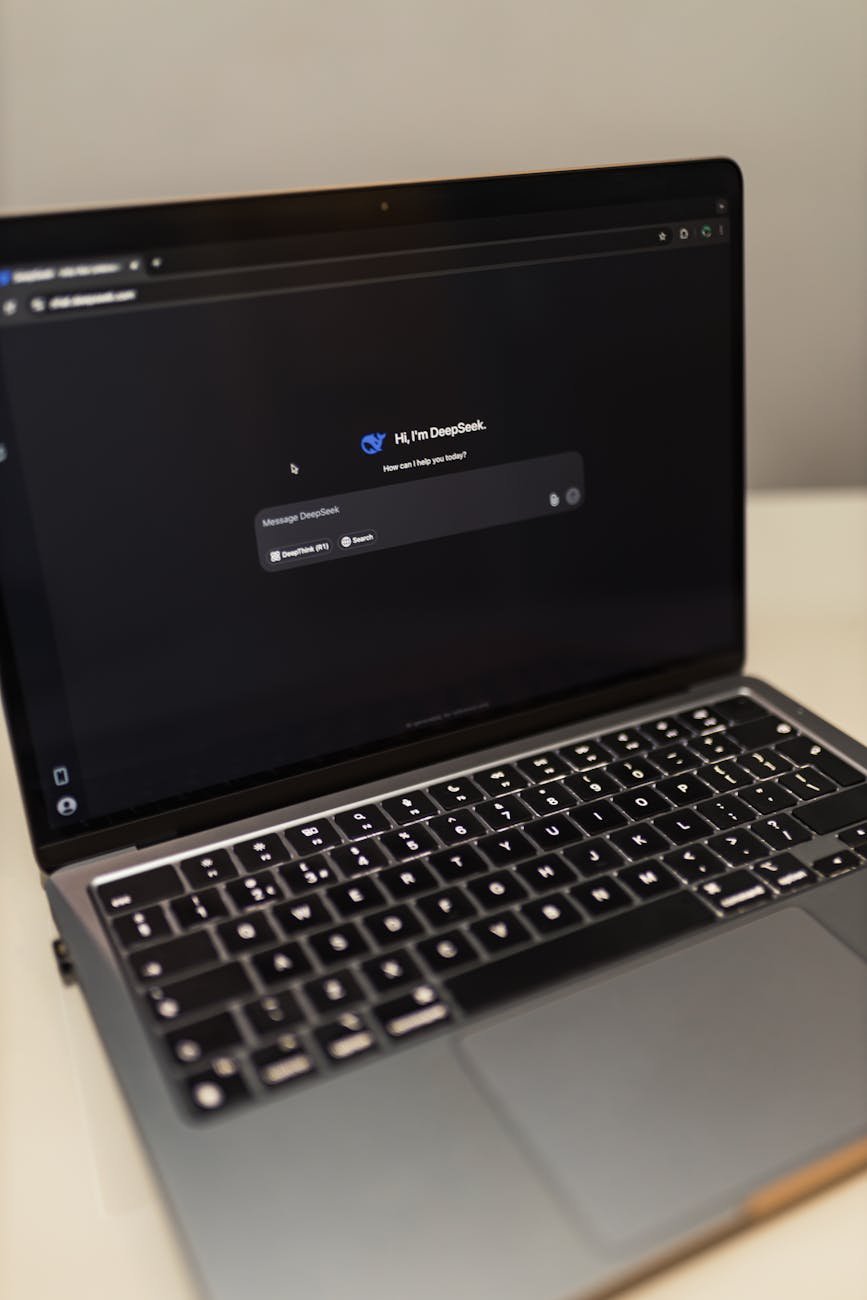
Harnessing AI: Practical Solutions for Small Marketing Agencies
Estimated reading time: 5 minutes
- Understanding the rise of practical AI solutions.
- Why focusing on efficiencies is crucial for small businesses.
- Steps small businesses can take to implement AI tools today.
- How to integrate AI with existing workflow tools effectively.
- The importance of tailoring AI solutions to specific business needs.
- Introduction
- The Rise of Practical AI Solutions
- Why Efficiencies Matter More Than Features
- Look Beyond the Buzzwords
- What Small Businesses Can Do Now
- The Intersection with Workflow Tools
- Takeaway
- FAQ
Introduction
Imagine you run a small marketing agency, struggling to keep up with client demands and the relentless pace of digital trends. You’re using spreadsheets to track project milestones, and let’s be honest: it’s exhausting. One day you hear about a new AI tool that promises to do everything from project management to content creation. You think, “Could this really solve my problems, or is it just another overhyped gimmick?”
This dilemma is common in the discussion about AI automation tools. Business owners like you are bombarded with promises of miraculous results. But the reality often falls short. The conversation around AI isn’t just about flashy features; it’s about practicality. It’s about how you can apply these systems effectively within your operations.
The Rise of Practical AI Solutions
Today, we’re witnessing a rise in practical AI solutions that do more than offer shiny interfaces. They deliver real-world efficiencies backed by solid data. Take, for instance, the recent surge of companies adopting tools like n8n, an open-source workflow automation software that connects various apps and services. This platform has gained traction for allowing users to create automated workflows without diving deep into coding. It connects well with other popular products. The real appeal is that it’s not just automation for automation’s sake; it emphasizes smooth integrations that matter.
But here’s a kicker: while many companies are jumping headfirst into AI automation, not all of them understand how to apply these tools effectively. The key isn’t simply about adopting new technology; it’s about aligning it with your actual business needs.
Why Efficiencies Matter More Than Features
Let’s unpack why efficiencies should matter more to you than the latest features. Imagine managing a growing team without a structured project management system. It leads to chaos, miscommunication, and eventually disappointed clients. Now, let’s say you deploy an AI tool that enhances communication and project tracking. You’re not just implementing an upgrade; you’re directly addressing those chaos-related pain points.
For example, a mid-sized consultancy recently transitioned to using AI-driven project management tools that sync with their existing platforms. They cut project delays by 20% in just three months—this wasn’t magic. They scrutinized their workflow, identified bottlenecks, and made targeted changes using AI. Their metrics showed improved client satisfaction and higher retention rates. And contrary to the hype, this didn’t require a complete tech overhaul. It was a fraction of that, focused on where the pain was most acute.
Look Beyond the Buzzwords
When AI proponents talk about “transformative” technology, don’t let the buzzwords cloud your judgment. Sure, AI can optimize operations, but it won’t be a free ride. If your focus is solely on the apparent accolades attached to these tools, you might miss the actual benefits that come from a methodical approach.
Let’s challenge the narrative here. A sizable chunk of AI rhetoric is centered on massive-scale businesses. However, small and mid-sized enterprises can benefit significantly from these advancements without massive investments. Often, established players neglect to share how incremental changes can lead to substantial improvements in efficiency.
Take e-commerce, for example. Many smaller retailers are leveraging AI for customer service through chatbots. They observe reduced response times, but not all chatbots produce the best results. A common mistake is expecting one-size-fits-all solutions to excel without tailoring the settings to match the audience. Understanding your customer data is critical. Without that insight, you might as well be throwing darts in the dark.
By setting realistic expectations and focusing on specific needs, small businesses can achieve impressive results.
What Small Businesses Can Do Now
So, what does this mean for small and mid-size businesses? You don’t need a team of data scientists to start benefiting from AI automation. Intuitive platforms are available that allow you to dip your toes in the water without requiring a full-blown commitment.
For instance, think about integrating basic automation into your email marketing. If you’re using a system like Mailchimp, their built-in automation features can help you set up welcome emails or reminders simply. You’re cutting down repetitive tasks without extensive training or investment.
Another approach is to focus on refining existing processes through simple AI tools. If you’ve found yourself overwhelmed by customer inquiries, consider implementing either a basic chatbot or an AI service that can tag and organize different types of requests.
Imagine the time you’d save if instead of responding to every single email, your team only had to address complex issues requiring human interaction while simpler inquiries were handled by AI.
The Intersection with Workflow Tools
Now, how do these insights connect with AI automation and workflow tools? Beyond the flashy advertisements, these platforms need to be integrated into your daily operations in a way that maximizes their potential. Using n8n or similar tools, you can automate repetitive tasks at various touchpoints. This means improving your back-end processes while adding value to front-end interactions.
Take some time to explore your critical operations and think about where AI might fit in. Are there mundane tasks taking up hours of your team’s time? Could AI save you from repetitive administrative work? Implementing practical AI solutions could be your next strategic move.
Businesses that recognize the realism behind AI advancements are those that will thrive. Don’t underestimate how these hybrid tools can shift your operational framework in manageable, beneficial ways.
Takeaway
As you’re navigating this evolving landscape, consider reaching out to professionals who specialize in aligning AI tools with your specific business needs. AITechScope offers just that—helping businesses like yours find smart automation solutions that genuinely fit. You don’t have to embrace every new trend blindly; instead, make informed choices that resonate with your growth strategy.
Be the small business that leverages AI not just for the sake of it, but as a tool that fits squarely within your operational needs. The hype can drown out the meaningful conversations—don’t let it.
FAQ
What is AI automation?
AI automation refers to the use of artificial intelligence technologies to streamline and automate processes, reducing the need for human intervention in tasks such as data entry, project management, customer interactions, and more.
How can small businesses start using AI?
Small businesses can start using AI by adopting user-friendly platforms that include automation features. Simple tools for email marketing, customer service chatbots, and workflow automation can enhance efficiency without requiring extensive resources.
What are the benefits of AI for small businesses?
The benefits of AI for small businesses include improved efficiency, reduced operational costs, enhanced customer experience, and the ability to streamline repetitive tasks, allowing staff to focus on more strategic initiatives.