
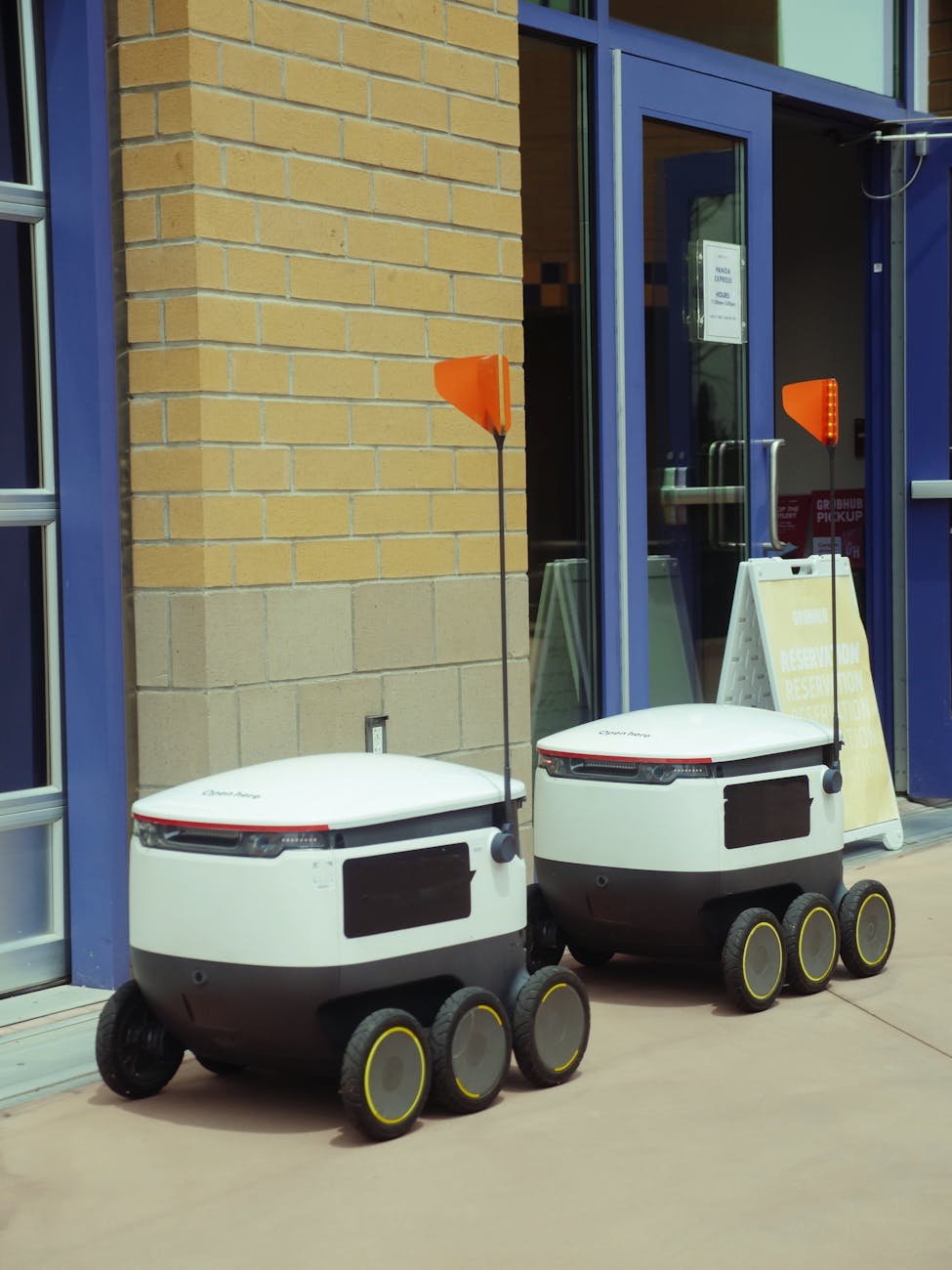
Harnessing AI for Business Automation
Estimated reading time: 6 minutes
- Nearly 70% of businesses don’t fully utilize their automation tools.
- AI can transform your business processes if implemented correctly.
- Understanding your workflows and engaging your team is essential for success.
- Small businesses can leverage AI to compete with larger enterprises.
- Approach automation methodically to maximize real value.
Table of Contents
- Rethinking Automation in Your Operations
- Unpacking the Automation Myth
- Practical Steps to Implement AI-Driven Automation
- What This Means for Small and Mid-Sized Businesses
- The Automation Toolkit
Rethinking Automation in Your Operations
Let's dive into the significance of truly embracing AI in your business processes. The hype has led many to think of AI as a magical solution, but the reality is that optimal implementation is crucial. You can't just sprinkle AI over your existing workflows and expect miracles. You have to rethink your processes, redesign your workflows, and empower your teams.
Imagine you run a 10-person agency that helps clients with digital marketing. Client onboarding, campaign management, and reporting are core to your success. Traditionally, each of these tasks involves a lot of manual work, back-and-forth emails, and a hefty dose of miscommunication. But here's the kicker: using AI-powered automation effectively can eliminate repetitive tasks, reduce human errors, and give you back precious time.
Just look at how marketing firms are utilizing tools like n8n for workflow development. This open-source automation tool allows businesses like yours to visually design workflows that integrate various services. Instead of sending multiple emails to gather campaign data, you can set up a system that pulls it automatically into a report. That not only saves time but also increases accuracy.
Unpacking the Automation Myth
But let's unpack this concept further. Many business owners buy into the myth that all you need to do is implement some fancy AI tool, and voilà, your efficiency problems are solved. This isn't true; it's essential to know what your actual needs are before diving into the realm of automation.
Take customer service, for instance. While chatbots sound like an obvious solution, they can lead to dissatisfaction if poorly implemented. A bot that can only handle basic queries might frustrate customers, leading to a poor user experience. In a recent study by Qualtrics, over 80% of consumers said they prefer human interaction for complex issues. What this means for you is that automation shouldn't replace meaningful interaction; it should complement it.
Instead, you might choose to automate task assignments and follow-ups, allowing your team to focus on complex client issues. This kind of nuanced understanding is crucial.
Practical Steps to Implement AI-Driven Automation
So, how can you start making these changes? First and foremost, you need a solid understanding of your workflows. Identify the bottlenecks that cause delays and frustrate your team. Common culprits include time-consuming manual data entry, delayed communications, and lack of real-time insights.
From there, you can explore various tools and software designed for automation. For example, consider integrating Zapier for smaller tasks that don't require a full workflow overhaul. It allows you to set triggers that automatically perform actions across different apps. Alternatively, you might want to check out n8n, which offers more customizable workflow automation for more complex needs.
Don't forget to engage your team in this process. Collect their input on what they find most tedious and inefficient. Implementing automation should be a team-driven process, not a top-down decree. By understanding their pain points, you can create solutions that they'll actually want to use.
What This Means for Small and Mid-Sized Businesses
Now, what does all this mean for small and mid-sized businesses? The playing field is more leveled than it has ever been. Large enterprises may have the budgets to invest in sophisticated algorithms, but small businesses can leverage more agile automation tools that fit their budget and specific needs.
Imagine this scenario: You're a small e-commerce store facing competition from giants like Amazon. AI-driven personalization tools allow you to tailor your marketing to individual customers based on their browsing behavior. A tool like Segment can help you gather data about your customers and activate personalization strategies without the need for a massive IT team.
However, small businesses often feel intimidated by the complexity of these tools. It's vital to remember that embarking on this journey doesn't mean you have to adopt every feature available. Choose one aspect of your business to automate—like inventory management or customer follow-ups—and see how it performs. Gradually expand as you grow comfortable.
The Automation Toolkit
While the hype might claim that AI can do it all, the reality is that the best results come when you approach these technologies methodically. Tools like n8n make it easier to connect various systems and automate workflows. But think of them as part of your toolkit, not the complete answer. Use them in tandem with human talent.
Once you identify key tasks for automation, don't rush your implementation. Start small, test your assumptions, and iterate based on feedback. That way, when you make an investment in AI tools, you aren't simply buying into a trend; you're making a strategic move that adds real value to your operations.
As you consider AI for your business, think about what you aim to achieve. Is it time-saving? Cost reduction? Enhanced customer experience? Get clear on your goals, explore the tools available, and don't be afraid to reach out for help. AI TechScope is here for your journey into automation. Whether you're looking to optimize a workflow or dive deep into AI integration, getting expert guidance can keep you focused and on track.
The world of AI and automation holds a wealth of potential for those ready to embrace it the right way. The trick is to separate the hype from reality and to approach new tools as opportunities to enhance—not replace—your existing processes. By doing so, you can ensure your business not only keeps pace but thrives in this evolving landscape.
FAQ
What is AI-powered automation?
AI-powered automation refers to the integration of artificial intelligence technologies with automation tools to optimize various business processes.
How can small businesses benefit from AI automation?
Small businesses can leverage AI automation to streamline operations, enhance customer experiences, and compete effectively with larger enterprises.
Is AI automation a quick fix for efficiency issues?
No, implementing AI automation requires a thorough understanding of existing workflows and careful planning to address specific business needs.
What tools can help with automation?
Tools like Zapier and n8n can help automate various tasks and integrate different systems for enhanced efficiency.
How should I start implementing AI in my business?
Begin by identifying bottlenecks in your current processes, exploring suitable automation tools, and engaging your team throughout the implementation process.