
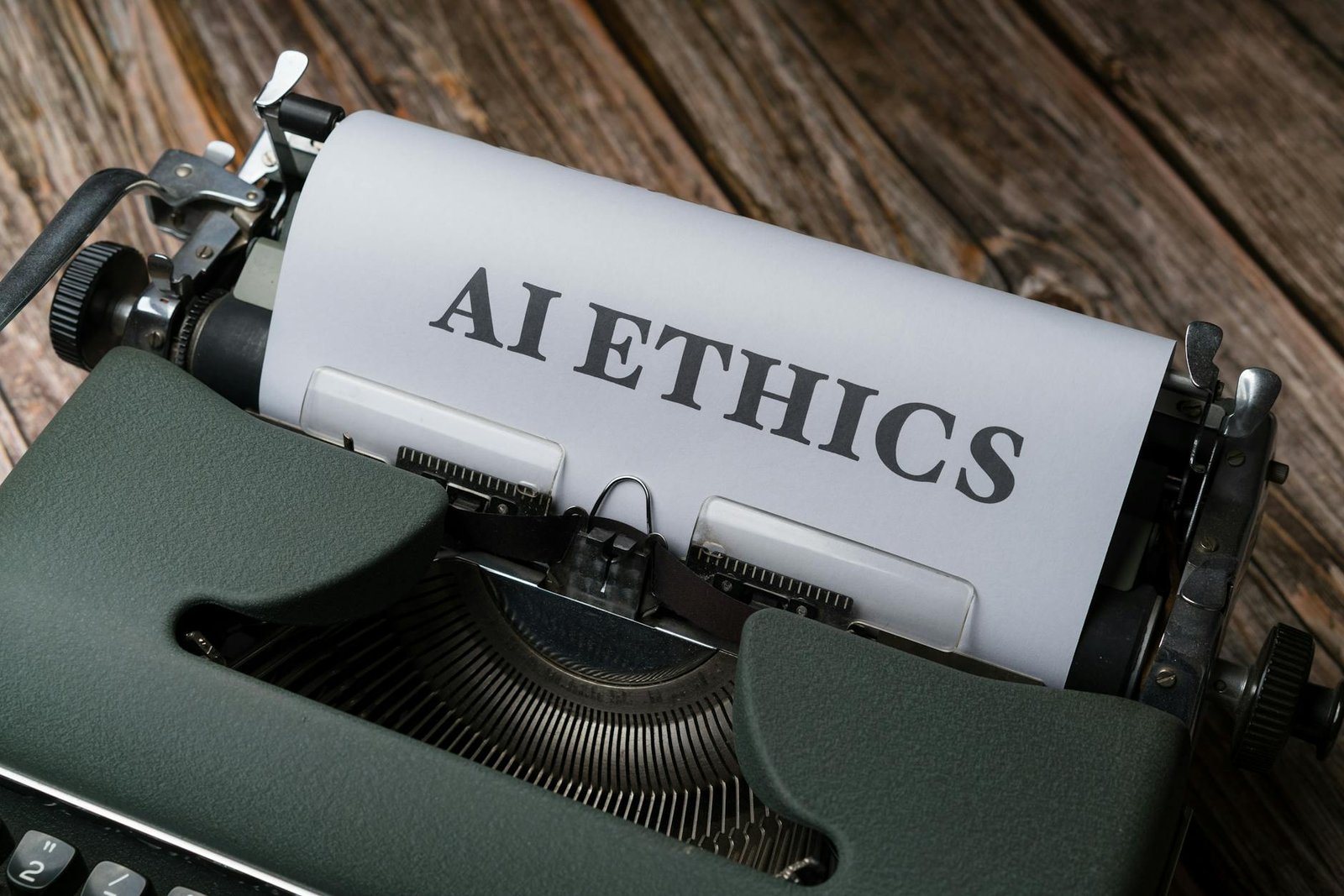
The Ethical Implications of Always-On AI Technology
Estimated reading time: 5 minutes
- The rise of smart glasses raises privacy concerns.
- Ethical dilemmas emerge around consent and trust.
- Cybersecurity risks increase with new technologies.
- Automation tools should enhance productivity without compromising values.
- Small businesses must navigate ethical challenges just as large corporations do.
Table of Contents
The Rise of Always-On AI Technology
Every week, it seems, there’s a new piece of hardware promising to make our lives easier yet nudging the envelope of privacy further out of sight. Smart glasses with built-in AI, capable of recording conversations as they happen, raise eyebrows for a reason. At first glance, it sounds like a boon for those looking to capture brilliant ideas on the fly. But how does this play out in a world where sensitive information is shared casually? Are we inching towards a reality where personal and business conversations are captured without consent?
The kind of “always-on” technology we’re discussing has hit the consumer market courtesy of startups who need to push boundaries for differentiation. With everyone from major tech giants to indie developers racing ahead with similar gear, it’s crucial to ask: what’s at stake? For business owners, the potential ramifications include legal repercussions, reputational damage, and a culture that fosters mistrust.
The Ethical Quagmire
Let’s pivot and consider a scenario. Imagine you run a ten-person marketing agency. You’re brainstorming fresh ideas for a client campaign during a team meeting. Unbeknownst to you, a team member has a pair of smart glasses recording the entire discussion. Now, say your competitor gets wind of that recording and uses it to intercept your strategy. That’s not only unethical; it’s a nightmare waiting to unfold.
The advent of such technologies means that the very essence of trust within teams and between businesses is under threat. You might think, “Well, I would never allow that!” But what if a popular new tool becomes so commonplace that saying “no” progressively feels like an overreaction? The ethical line blurs.
Just because you can record everything, doesn’t mean you should. This won’t just affect larger organizations; small and mid-size businesses may find themselves exposed and vulnerable, lacking the legal armor that larger companies have. It’s not just about tech; it’s about what you value within your company. Are you willing to compromise personal trust for a marginal gain?
Real-World Implications for Your Business
Consider another angle: cybersecurity. We often think of moving our data to the cloud without considering what’s inevitably left behind. Every new device connected to your network opens another door. Those smart glasses? They are a potential entry point for hackers. A recent study from Cybersecurity Ventures claims that cybercrime could cost the world $10.5 trillion annually by 2025 if businesses don’t bolster their defenses.
So, the push for new technology should include rigorous scrutiny. For your business, that means understanding the software and hardware you adopt. What are the privacy policy implications? Are your clients aware of potential risks, especially when discussing sensitive information? These aren’t just hypothetical questions. They are the basis for a secure, trusting, and ultimately successful business.
The Automation Angle
Now, let’s discuss how this ties into AI automation and workflow tools. AI has brought fantastic advancements in automating mundane tasks, refining processes, and allowing your team to concentrate on creative, high-level work. Platforms like n8n enable you to streamline workflows without compromising security or ethics. By harnessing automation responsibly, you can enhance your efficiency while ensuring that your team’s conversations and creativity remain private.
In the context of AI-powered tools, the misuse of recording technologies could invite scrutiny on how businesses derive insights, whether from brainstorming sessions or customer interactions. The responsibility lies not only with the tech developers but with you as a business owner. It’s on you to create a space where innovation thrives without stepping on toes or breaching trust.
And What About Small to Mid-Size Businesses?
Let’s be honest: when it comes to smart tech, a lot of the discussions focus on large corporations. But if you’re a small business owner, pay attention. The same ethical dilemmas apply to you. You might not have the same resources as a Fortune 500 company, but that doesn’t mean you get to sidestep the consequences.
You have the power to set the tone and lead by example. Just because something seems trendy or useful—like smart glasses that can listen to every conversation—doesn’t mean it’s right for your business. Instead, harness technologies that help you grow while maintaining your team’s integrity. Automating customer service inquiries or using data analytics tools for insights can be far more beneficial than embracing “always-on” gadgets.
If you want to integrate automation into your operations, choose wisely. Focus on tools that enhance productivity and creativity without compromising your team’s values or privacy.
As we continue to navigate this landscape, companies like AITechScope stand at the ready to help you adopt AI responsibly. You can refine your business processes without diving headfirst into potentially harmful tech that’s all flash and no substance.
Finding the right balance is key. You want to integrate automation to scale operations while being mindful of the ethical implications. It’s all about making thoughtful choices that benefit not just your bottom line but the very fabric of your business.
FAQ
Q1: What are “always-on” devices?
A: Always-on devices, such as smart glasses with built-in microphones, continuously capture audio, raising concerns about privacy and consent.
Q2: How can businesses protect their confidential information from recording technologies?
A: Businesses can implement clear policies about technology use, conduct regular training on privacy, and ensure sensitive discussions occur in secure environments.
Q3: Why is cybersecurity a concern with new technologies?
A: New technologies can create additional vulnerabilities that hackers may exploit, leading to potential data breaches and financial losses.
Q4: What is the role of AI in protecting business ethics?
A: AI can streamline processes and automate tasks while allowing businesses to maintain ethical standards by ensuring that data is managed responsibly.
Q5: How can small businesses maintain ethical practices in tech adoption?
A: Small businesses should prioritize technologies that enhance productivity without infringing on privacy or trust, leading by example in ethical tech use.