
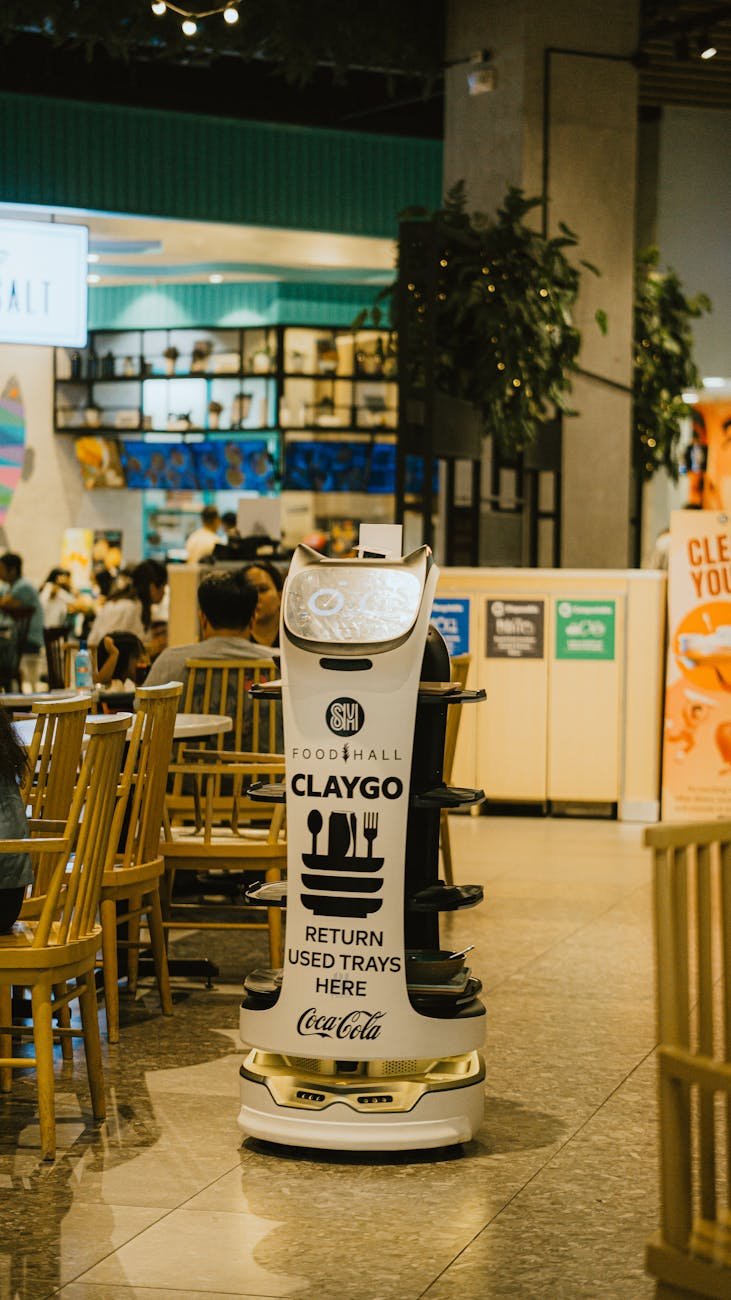
Embracing AI-Powered Solutions to Boost Customer Service
Estimated reading time: 5 minutes
- 85% of businesses believe they provide better customer service than competitors.
- AI-powered virtual assistants can enhance operations and customer interactions.
- Smaller firms are finding affordable AI tools that drive growth and innovation.
- Integrating AI solutions can lead to greater operational efficiency.
- The future of customer engagement involves both AI efficiency and human empathy.
Table of Contents
- The Growing Role of AI Virtual Assistants
- The Practical Benefits of AI Integration
- Implications for Small to Mid-Sized Businesses
- Bridging the Gap with AI Automation and Workflow Tools
- FAQ
The Growing Role of AI Virtual Assistants
As we move deeper into the third decade of the 21st century, the business landscape is shifting. More than ever, businesses are embracing AI to improve operational efficiency. In 2024, nearly 40% of organizations across various sectors reported incorporating AI tools in their customer service departments. But what’s driving this trend? The answer is simple: customer expectations for quick, reliable service are higher than ever.
Have you called a company recently only to be greeted by an endless loop of “Press 1 for sales, Press 2 for support”? Frustrating, right? Virtual assistants provide an answer to this by offering immediate responses and basic troubleshooting. Unlike traditional systems, they can learn and adapt over time, refining their responses based on user interactions.
Think about it for a moment: you run a 10-person agency. Your team is talented but stretched thin. When inquiries come in at an alarming rate, who answers? Your employees are busy, and customers are left hanging. This is where virtual assistants come in, taking care of frequently asked questions, scheduling appointments, and even sending follow-up emails. Suddenly, your team can focus on creative work while the assistant handles the mundane.
The Practical Benefits of AI Integration
Enhanced Customer Service
Imagine enhancing your customer service by pairing human effort with AI efficiency. AI assistants can handle a range of inquiries, which means responses are instant; the wait time for customers is practically eliminated. For instance, Shopify has found that the integration of AI-driven chatbots into their platform significantly decreased customer service response times, boosting customer satisfaction scores alongside it. They reported metrics showing a 30% reduction in response time and a 25% increase in customer retention rates within the first six months of implementation.
However, while customer interactions can be automated, don’t overlook the nuance that a personal touch still matters. Many people appreciate speaking to a human about important matters. Balancing AI’s efficiency with human empathy is crucial.
Data-Driven Insights
Another layer to this is the data you gain from deploying virtual assistants. These AI tools don’t just respond to inquiries—they also gather insights. By tracking customer interactions, you can identify common issues and trends. The data helps refine your services and tailor your marketing efforts more effectively. For example, if you repeatedly see questions about pricing during busy seasons, it could indicate that your pricing transparency needs a rethink.
Yet, here’s where I urge you to be cautious. Not all data is useful, and you might find yourself drowning in irrelevant metrics. The key is to focus on actionable insights. Look for patterns that facilitate growth rather than just collecting every scrap of customer interaction.
Implications for Small to Mid-Sized Businesses
We often imagine AI solutions as exclusive to tech giants or large corporations, but this couldn’t be further from the truth. Small to mid-sized businesses are sitting on a goldmine of opportunities by capitalizing on AI. Think about it—AI tools have become extremely affordable and accessible. Vendors now offer tiered pricing models, allowing budget-conscious businesses to dip their toes in without significant upfront investment.
Take, for instance, an independent bookstore. While they might compete with larger chains, by implementing AI-driven customer engagement tools, they can create personalized experiences, recommending books based on past purchases or even customer preferences shared in chats. This level of customization not only attracts new customers but also fosters loyalty in existing ones.
So, while it may seem like AI is reserved for the big players, your small business can use these tools effectively to innovate and grow in ways that were simply beyond reach before. There’s a shift happening—don’t be the one left out of the circle.
Bridging the Gap with AI Automation and Workflow Tools
And what about the integration piece? This is where companies like AITechScope come into play. By developing automation systems specifically for your business processes, you can ensure that AI assistants operate cohesively within your existing framework. Using tools like n8n for workflow development can simplify complex processes, enabling each worker to focus where they add the most value.
Consider how AI can handle repetitive tasks like invoicing or report generation. It doesn’t just save time; it reduces human error. For instance, imagine an accountant’s workload being halved because the AI system efficiently categorizes and organizes all financial transactions. This allows your team to focus on analysis and strategy rather than administrative tasks.
But don’t get swept up in the deluge of tools that all promise the same results. Assess your specific needs first. Find solutions that marry well with your business model and culture—one-size-fits-all rarely applies in the entrepreneurial world.
As you ponder how to implement these changes, it’s clear the conversation around AI isn’t so much about whether it’s the future—as much as how you will integrate it into your operations now to stay competitive.
AI isn’t magic, and it won’t fix everything. But ignoring its potential might just mean you get left behind. Look at what leaders in your industry are doing. Companies are experimenting and finding benefits, and it’s high time you did the same.
So how ready is your business to integrate AI-powered virtual assistants or delve into workflow automation? As you weigh your options, consider reaching out to experts who specialize in these transformations. AI TechScope can support you in figuring out what truly works for your operation, helping ensure that you don’t merely jump on the bandwagon but find an authentic path forward.
Find a balance, explore cautiously, and keep your eyes on the horizon. The future is knocking, and it seems very much like AI is holding the door open.
FAQ
What are AI virtual assistants?
AI virtual assistants are automated tools that can handle customer inquiries, schedule appointments, and perform various customer service tasks, improving operational efficiency.
How can small businesses benefit from AI?
Small businesses can utilize affordable AI tools to enhance customer experiences, streamline operations, and gain valuable data insights for better decision-making.
Is AI the future of customer service?
AI is becoming integral to customer service by meeting rising expectations for quick and reliable service, but it’s important to balance AI efficiency with human empathy.