
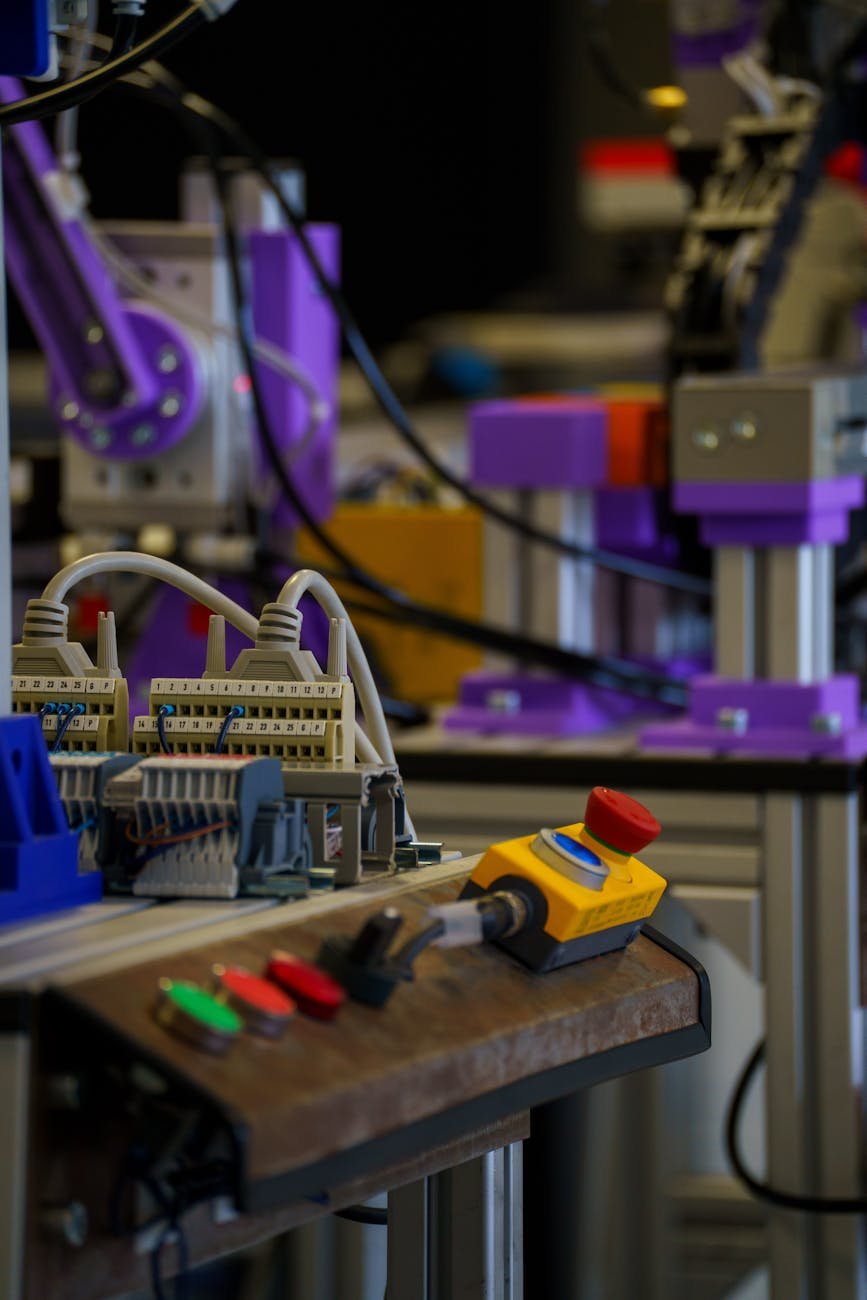
The Future of Intelligent Automation in Business
Estimated reading time: 6 minutes
- 70% of companies believe AI will boost productivity.
- Intelligent automation can streamline workflows.
- AI isn’t a replacement for human jobs but an augmentation of human efforts.
- Tools like n8n can help small businesses automate processes cost-effectively.
- Collaborative automation with workflow tools enhances efficiency.
Table of Contents
- The Rise of Intelligent Automation
- What Intelligent Automation Really Looks Like
- The Human Element: Why We Can’t Forget It
- Implications for Small and Mid-Size Businesses
- The Intersection of AI and Workflow Tools
- FAQ
The Rise of Intelligent Automation
Intelligent automation is more than just a buzzword; it’s a tangible trend reshaping industries from finance to marketing. Take your mailroom, for instance. Instead of hiring two people to sort incoming documents, you can now rely on an AI tool like UiPath or Automation Anywhere to do that quicker and with greater accuracy. According to a report by McKinsey & Company, nearly 70% of businesses have begun to pilot AI applications in some aspect of their processes. This isn’t just an experiment; it’s a move that can lead to substantial cost savings and operational improvements.
With AI models getting better at understanding context and nuances, the applications extend into customer service, data entry, and even strategic decision-making. However, don’t be fooled into thinking you only need to switch it on and watch the magic happen. We’re at a crucial point where understanding your specific needs is more vital than ever.
What Intelligent Automation Really Looks Like
Imagine you run a 10-person digital marketing agency. You manage client accounts manually, leading to a bottleneck in report generation and response times. Now, you could bring in a basic chatbot to handle inquiries. But let’s break it down: a chatbot won’t just help take the load off—it’s about creating a cohesive customer experience across platforms.
In a real-world application, consider the case of a mid-sized e-commerce company like Wayfair. They have successfully integrated AI-driven chatbots not only for customer service but also for product recommendations and order tracking. Their system learns from customer interactions, meaning it’s not merely responding but also improving itself over time. This kind of automation leads to faster response times and increased customer satisfaction, which directly impacts your bottom line.
However, the catch here is the implementation. You can’t just slap on an AI tool expecting it to solve every pain point. The process should begin by identifying specific areas where automation can tangibly impact efficiency without losing the human touch that many customers crave. The trick? Finding the right balance between automation and maintaining authentic customer relationships.
The Human Element: Why We Can’t Forget It
That said, let’s challenge the increasingly common idea that AI will replace human roles entirely. Sure, machines can generate reports at lightning speed or identify trends in a mountain of data. But no algorithm can replicate the empathetic understanding of your team when a client is in distress or needs reassurance. Intelligent automation isn’t about eliminating jobs but augmenting human efforts.
A report from the World Economic Forum suggests that while AI is expected to displace 85 million jobs by 2025, it will also create 97 million new ones. What’s more? Many of these roles are in industries that require human creativity, strategic thinking, and emotional intelligence. For your business, this means revisiting your team structure and thinking creatively about how to employ AI without sidelining the people who make your company uniquely human.
For instance, at a testimonial-driven platform like Trustpilot, they use AI to analyze customer feedback and highlight common issues. But responding to those reviews, nurturing the relationship, and making real changes based on feedback fall squarely on human shoulders. Without that touch, no amount of tech will sustain customer loyalty.
Implications for Small and Mid-Size Businesses
Now, let’s circle back to those of you running small and mid-sized businesses. The reality is that you might not have the same budget as a Fortune 500 company to experiment with AI. But don’t let that deter you. Sometimes the most intelligent automation is about working smarter, not harder.
For example, tools like n8n allow businesses like yours to build automated workflows without breaking the bank. This open-source solution lets you create complex workflows that connect different applications, streamlining processes such as lead generation or progress tracking. By doing so, you can focus more on customer interactions and creative projects, rather than tedious tasks.
Think small: how many hours do you spend on repetitive tasks that could be automated? Let’s estimate. If each of your team members spends just an hour each day on mundane tasks, that’s a collective 50 hours per week. Now imagine redirecting even half of that time into revenue-generating activities. That’s not just smarter; it could make a measurable impact on your growth.
Of course, this all hinges on finding a method that fits your unique operations. Technology isn’t one-size-fits-all, and vendors often forget to mention that upfront.
The Intersection of AI and Workflow Tools
Bringing it full circle, intelligent automation doesn’t exist in isolation. Up and coming workflow tools like Zapier and n8n showcase how technology can bridge gaps between applications you’re already using. These tools are designed to make integration easier, allowing you to create customized workflows that suit your unique needs.
Suppose you’re an agency managing multiple clients and campaigns. With intelligent automation tools, you can set up workflows to automate reporting, client updates, and project management tasks. For instance, combining Google Sheets and Gmail through an automation tool means client updates can populate sheets automatically.
So while AI might be touted as the next big thing in most tech circles, it’s really about the connective tissue between tools and processes. When they’re working in concert, that’s where you’ll see the best efficiency and productivity gains.
Getting your arms around intelligent automation isn’t as easy as flipping a switch. It takes time, thought, and no small degree of experimentation. But don’t shy away from these advancements.
Exploring how tools like these can fit into your existing processes will make all the difference, and remember that you don’t have to go it alone. Engaging with a partner specializing in automation can help demystify the complexities and tailor a solution that addresses your fundamental goals.
So, whether you’re knee-deep in client projects or simply trying to make sense of ever-compounding tasks, remember: AI can lighten your load if you approach it thoughtfully. If you’re curious about how tailored solutions could fit your business model, it might be time to explore what AITechScope can bring to the table—because the future of your operations deserves more than just AI hype.
FAQ
What is intelligent automation?
Intelligent automation combines automation technologies with artificial intelligence (AI) to streamline business processes and improve efficiency.
How can small businesses implement AI?
Small businesses can utilize cost-effective tools like n8n or Zapier to automate routine tasks and processes without a large budget.
Will AI replace human jobs?
AI is more likely to augment human roles rather than replace them, creating new opportunities that require human skills and creativity.
What are the key benefits of intelligent automation?
Key benefits include improved efficiency, cost savings, better customer experiences, and the ability to focus on strategic tasks.