
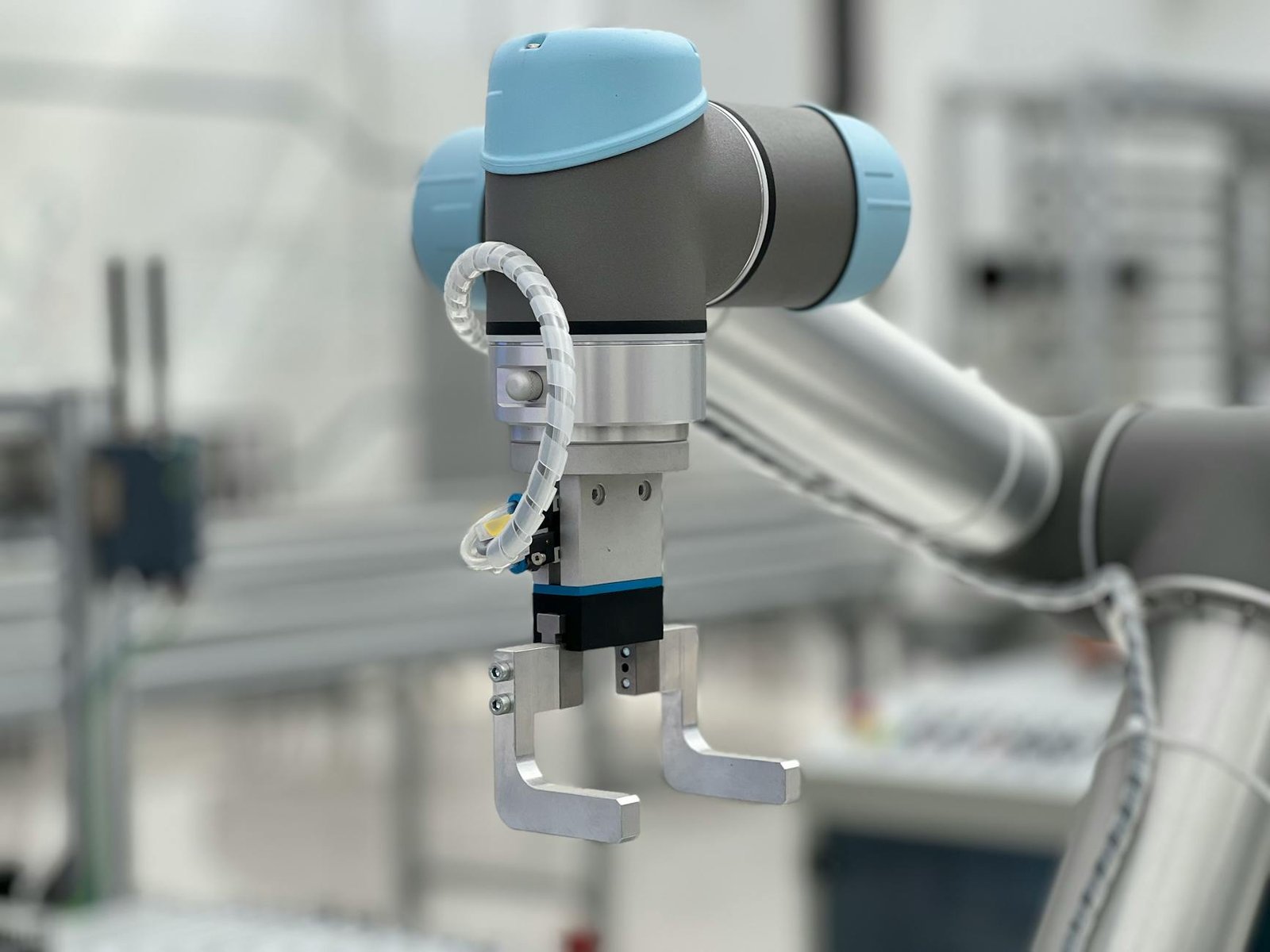
The Power of AI Automation in Modern Business
Estimated reading time: 5 minutes
- 81% of employees believe their jobs could be automated.
- Intelligent automation allows businesses to focus on what truly matters.
- AI tools can automate repetitive tasks and analyze data effectively.
- Small businesses can level the playing field with automation.
- Integrating AI into existing systems is becoming more accessible than ever.
Table of Contents
- The Rise of Intelligent Automation
- Where AI Can Make a Real Impact
- The Small Business Advantage
- Connecting AI to Automation & Workflow Tools
- Looking Ahead
- FAQ Section
The Rise of Intelligent Automation
Automation isn’t new. We’ve had machines in factories since the Industrial Revolution. But the wave we’re riding now—driven by AI—promises more than just increased productivity; it offers a fundamental shift in how knowledge work gets done. A recent chat at Harvard Business School with leaders from OpenAI highlighted this evolution, focusing on AI agents capable of taking on more complex tasks traditionally reserved for humans.
But what does intelligent automation really mean? Simply put, it’s about integrating advanced AI tools with your existing systems to handle repetitive tasks, analyze data, and even make decisions. Imagine an intelligent assistant that not only schedules your meetings but also prioritizes them based on your goals for the week. This isn’t just possible; it’s happening now.
Where AI Can Make a Real Impact
Repetitive Tasks: Your New Best Friends
Remember the last time you had to sift through hundreds of emails just to find that one critical client message? Now, think about what you could achieve if those repetitive tasks were handled by AI. AI tools can automate email sorting, lead prioritization, and even basic customer service inquiries with chatbots. For instance, a small agency could use AI to triage client requests instantly, allowing team members to spend more time on creative strategies rather than mundane correspondence.
Consider Maria, who runs a 10-person design agency. With 70% of her client inquiries coming via email, Maria decided to implement a tool like n8n, a popular workflow automation platform. Within weeks, she cut down her email processing time by 40%. Instead of drowning in daily client requests, she redirected that time into strategic planning and innovation—tasks that directly grow her business. It’s a straightforward move that showcases intelligent allocation of resources.
Insights from Data: The New Gold Mine
Data is everywhere, but so is data paralysis. Many organizations struggle to turn raw data into actionable insights. Herein lies another advantage of AI. By employing machine learning algorithms, businesses can automatically analyze patterns and trends within their data that humans might miss.
Take Netflix’s recommendation engine, which uses sophisticated algorithms to tailor viewing suggestions based on your habits and preferences. This isn’t just for entertainment; businesses can (and should) apply similar data analysis to customer behaviors.
Now, think of a retail business. By leveraging tools that analyze sales data, inventory, customer feedback, and even market trends, you can predict what your customers are looking for before they even know they need it. No more guesswork—just precise, data-driven insights.
The Small Business Advantage
So, what does this all mean if you’re running a small to mid-sized business? First, automation of repetitive tasks isn’t just a benefit—it’s a necessity. It levels the playing field between you and bigger competitors who have the resources to employ entire teams for tasks you can automate. Your business can respond to inquiries faster, stay organized, and allocate your team’s talents more strategically.
But here’s the catch: many small businesses hesitate to adopt AI tools due to perceived costs or complexity. The irony? By not automating at least some of your workflows, you risk falling behind. Think of it as an initial investment that pays off through efficiency and scalability. You don’t have to overhaul everything at once. Start small, automate one or two processes, then expand as you gauge the benefits.
And let’s not sugarcoat it: AI can seem overwhelming. But with tools like Zapier and n8n, integrating automation into your existing systems is more accessible than ever. These user-friendly solutions allow you to build workflows that suit your unique business needs without requiring an army of data scientists.
Connecting AI to Automation & Workflow Tools
Now, let’s talk specifics about automation. Workflow tools can facilitate smoother operations across any size business. If you’ve ever found yourself bouncing between apps to complete tasks, platforms like n8n allow the creation of custom workflows that automate the flow of information between your various tools in one place. They serve as the glue connecting your project management, CRM, and communication tools.
For example, imagine using n8n to automatically log incoming customer inquiries to your CRM system, sending you a notification while also scheduling a follow-up task. Your team spends less time chasing data and more time engaging with clients. Easy, right?
Looking Ahead
It’s vital to stay informed about AI trends, but don’t succumb to the panic of trying to implement every new tool that comes out. What works for a startup might not fit the needs of your business. Be discerning. Focus on solutions that integrate seamlessly into your operations.
It’s also crucial to maintain a healthy skepticism around the promises made by AI. Not every solution will deliver what it claims. Be willing to experiment, measure your results, and, if necessary, pivot. It’s a bumpy but rewarding road.
To sum it up, automation, especially with the power of AI, is an opportunity rather than a hurdle. Your business stands to gain more than just efficiency—it can become agile, responsive, and better equipped to meet the evolving demands of your market.
If you feel your business is ready to explore this realm but don’t know where to start, AITechScope offers tailored solutions to help you implement these technologies effectively without diving headfirst into the deep end. So grab that coffee and think about what intelligent automation could do for you.
FAQ Section
What is intelligent automation?
Intelligent automation combines advanced AI tools with existing systems to handle repetitive tasks, analyze data, and make decisions, allowing businesses to focus on strategic objectives.
How can small businesses benefit from AI automation?
AI automation helps small businesses level the playing field by allowing them to respond to inquiries faster, stay organized, and allocate team talents more strategically, often with fewer resources than larger competitors.
What are some examples of AI tools for automation?
Tools like n8n and Zapier can help integrate automation into existing workflows, making it easier for businesses to automate repetitive tasks efficiently.