
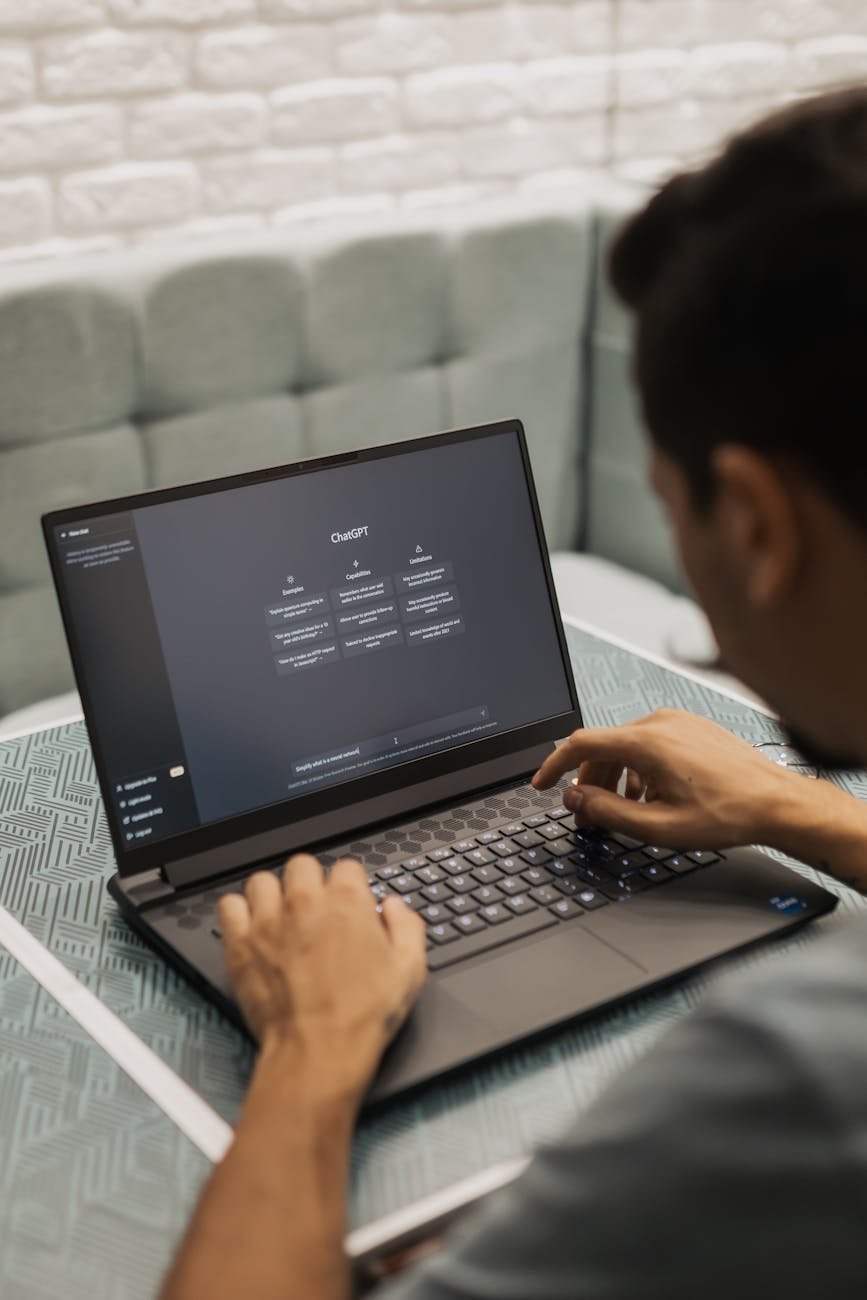
The Pragmatic Side of AI: Automation and Workflow Optimization
Estimated reading time: 5 minutes
- 85% of businesses anticipate significant impacts from AI.
- Intelligent delegation can reshape workflows for enhanced productivity.
- AI-driven tools can lead to productivity gains of up to 40%.
- Small and mid-sized businesses can benefit greatly from AI automation.
- Successful implementation balances technology with human interaction.
The Rise of Intelligent Delegation
The Shift from Menial Tasks to Smart Solutions
Workflow Optimization: More Than Just Tech
Real-World Scenarios: The Importance of Human Touch
What This Means for Small to Mid-Sized Businesses
The Connection to AI Automation & Workflow Tools
FAQ
The Rise of Intelligent Delegation
We’ve heard the terms “automation” and “AI” thrown around frequently, but what do they really mean for you? Intelligent delegation is the future, and it goes beyond merely automating repetitive tasks. It’s about reshaping your workflow to enhance productivity while allowing for greater creativity and strategic thinking.
The Shift from Menial Tasks to Smart Solutions
Imagine you run a 10-person agency. You’ve got emails piling up, social media posts to schedule, and clients calling for updates. Typically, these tasks are hurdles — they eat your time and energy away from more creative pursuits. Enter virtual assistants. Services like those provided by AITechScope can help you offload these menial tasks, letting your team focus on what they truly excel at: delivering exceptional creative solutions.
This isn’t just about cutting down on workload. It allows your team to innovate. Research by McKinsey shows that companies that adopt AI-driven task management can see productivity gains of up to 40%. Now, with swift shifts in client demands and project deadlines, doesn’t it make sense to adapt your operations?
Workflow Optimization: More Than Just Tech
Integrating tools like n8n for workflow optimization isn’t merely a tech upgrade; it’s a mindset shift. Many companies dive into the latest software without considering how it fits into their existing processes. Let’s be honest: not every new tool is what it claims to be. It’s tempting to think that just by implementing a new AI tool, your operations will magically become more efficient.
But here’s a contrarian thought: the effectiveness of these tools depends largely on how you use them. Take the example of a mid-sized e-commerce company that decided to rely solely on software for inventory management. They neglected the human aspect — communication and insights from staff. The result? A system that couldn’t accurately reflect stock levels because a crucial input was missed.
Optimizing workflows involves analyzing your processes, adjusting accordingly, and yes, investing in the right AI technologies. If you don’t include your team in this conversation, you’ll likely miss valuable insight into the intricate workings of your operation.
Real-World Scenarios: The Importance of Human Touch
Picture this: you’re in charge of a startup that develops custom software solutions. Clients frequently request updates, revisions, and status checks. You implement an AI chatbot to manage these inquiries. Sounds smart, right? But if the bot lacks the ability to provide nuanced answers or escalate issues promptly, you’ll frustrate clients rather than please them.
This is where the essence of human interaction intersects with technology. Tech can handle a lot of your routine inquiries and free up your staff. However, you must ensure that your human team is positioned as problem-solvers when things get nuanced. This balance is key. How can technology complement your human resources rather than replace the personal touch your clients value?
What This Means for Small to Mid-Sized Businesses
Now, you might be wondering, “Is this just for big corporations?” Not at all. Small and mid-sized businesses stand to gain exponentially from these advancements. Your agility allows you to implement changes quickly, creating a competitive advantage. Harnessing AI for process enhancement can lead to significant cost savings and operational efficiency.
A 2020 survey by Salesforce revealed that around 58% of small businesses are already using some form of AI technology. Whether it’s chatbots for customer service or AI-driven insights for sales forecasting, these tools can provide big benefits without the hefty price tag of hiring new staff. The key is identifying which areas of your business can benefit from intelligent automation without losing your unique approach to customer service.
The Connection to AI Automation & Workflow Tools
As you strive for growth and efficiency, consider how AI-driven automation and workflow tools can seamlessly integrate into your existing operations. Instead of viewing them as magic fixes, think of them as sophisticated methods that require thoughtful implementation. Whether you choose to go with tools like Zapier or n8n, the success hinges on how you mold these resources to fit your business’s specific needs.
These tools will help you create links between different processes effortlessly. For instance, if a customer places an order online, automation can handle inventory updates, notify shipping, and even trigger follow-up emails — all without any human intervention. Now imagine the time and frustration this saves.
However, be cautious. Lean too hard on automation without proper checks in place, and you risk losing the human elements that resonate with your customers. You shouldn’t take shortcuts with your customer relationships just because technology offers an easy way out.
It’s clear that while AI tools are powerful, their context and application within a workflow make all the difference.
The AI narrative can be intoxicating. Everyone wants in. But as a business owner, balancing technological advancement with human intuition should be your guiding principle.
And if you’re feeling overwhelmed by the options or uncertain how to enhance your processes, that’s where AITechScope can step in. Our expertise in virtual assistant services and business process optimization could help clarify your path forward. You deserve to find the right approach that elevates your operations without falling into the hype trap.
In the midst of all the buzz, keep your focus where it belongs: on cultivating a smart, efficient, and human-centered approach to AI. It’s not about abandoning your operations to technology. It’s about crafting synergy — and that’s where real innovation thrives.
FAQ
1. How can small businesses benefit from AI?
Small businesses can leverage AI tools to improve efficiency, enhance customer service, and cut costs significantly without the need for a large workforce.
2. What are some effective AI tools for workflow automation?
Tools like Zapier, n8n, and Chatbots can streamline various business processes.
3. Why is human interaction important even with AI?
Human touch is crucial for nuanced customer interactions and problem-solving that AI might not effectively handle.
4. What should businesses consider before implementing AI?
Businesses should evaluate their unique processes, ensure team participation, and critically assess the specific needs that AI can address.
5. Can AI tools help in creative industries?
Absolutely! AI can automate repetitive tasks in creative industries, allowing teams to focus on innovation and creativity.