
AI’s Energy Consumption: A Business Owner’s Perspective
Estimated Reading Time: 6 minutes
- Understand the energy implications of AI for your business.
- Assess the hidden costs of AI tools, especially energy consumption.
- Consider energy-efficient technologies and renewable resources.
- Leverage AI for operational efficiency without overspending.
- Explore partnerships that help optimize business processes sustainably.
Table of Contents
- In the Spotlight: AI’s Energy Hunger
- The Cost of Ignoring AI’s Footprint
- Understanding Availability vs. Consumption
- The Reality for Small and Mid-Sized Businesses
In the Spotlight: AI’s Energy Hunger
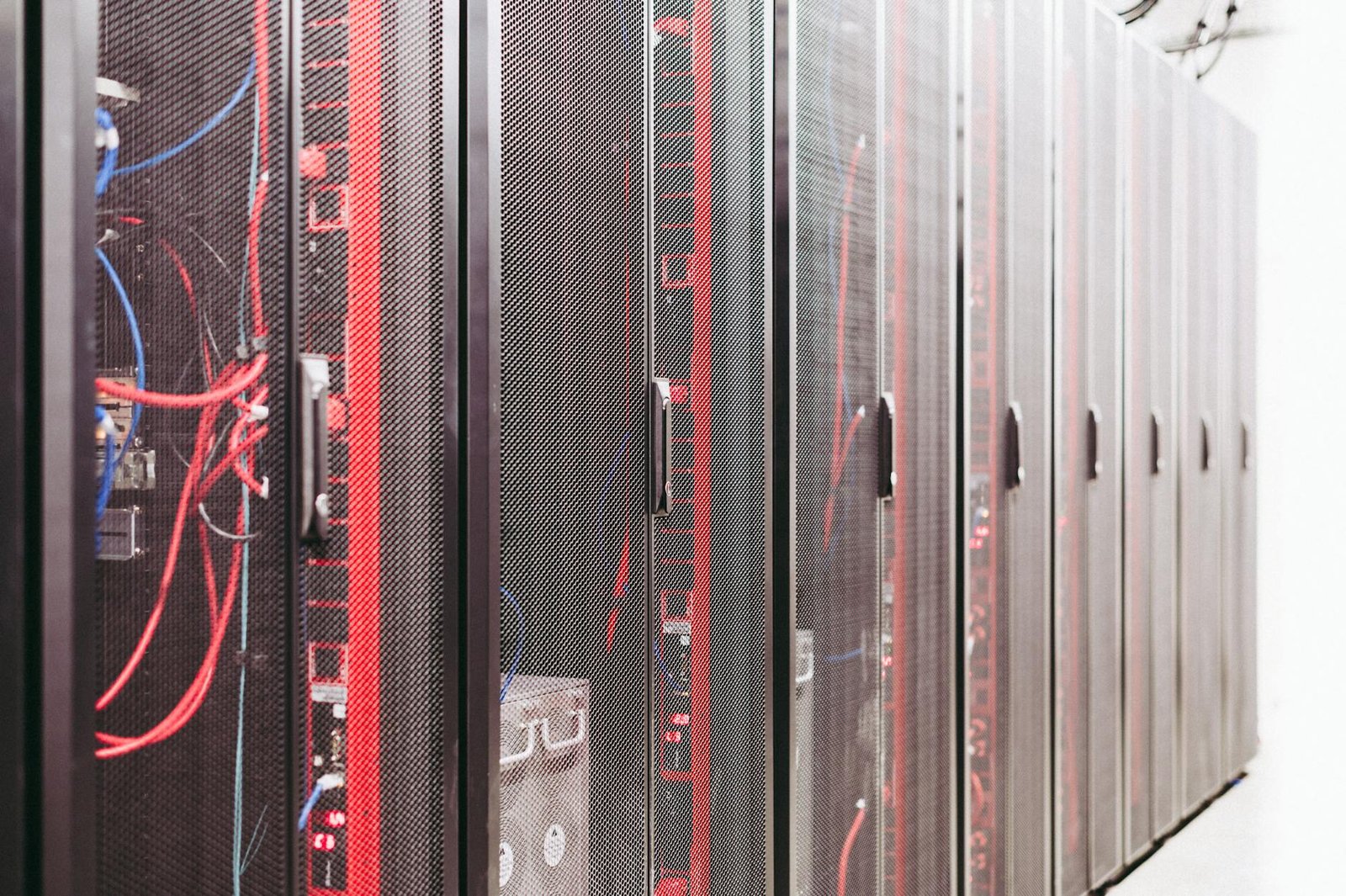
We’re all caught up in the promise of AI: more automation, better insights, and the sweet sound of cost savings. But as companies race to adopt AI technologies, few stop to think about how much energy these systems devour. A report from the International Energy Agency (IEA) estimates that data centers, which power AI, consume about 2% of the world’s electricity. And with AI models becoming ever more complex, this percentage is only expected to grow.
Take Meta’s recent announcement to add 100MW of solar power to its South Carolina data center to power its AI operations. This isn’t just about sustainability; it’s about a reality check on resource needs. If a juggernaut like Meta finds itself grappling with energy demands, what does that mean for your small business looking to implement similar technologies?
Pairing analysis of your energy consumption with your AI initiatives can spell disaster or delight for your bottom line.
The Cost of Ignoring AI’s Footprint
How often do you consider the total cost of operating AI tools? Take, for instance, a 10-person agency trying to utilize machine learning to automate client reporting tasks. You might throw some cash at a shiny new AI solution and watch as client updates are magically generated. What happens next? If you aren’t paying attention, you may find that these tasks are consuming upward of 15% of your monthly energy bill—potentially more than your payroll for that month.
When your tools start requiring constant upgrades and more data centers to accommodate their demands, what once seemed like efficiency can morph into a hidden drain on your resources. You’re left hanging in an uncomfortable paradox—sacrificing too much to embrace what seems to shine brightly.
Understanding Availability vs. Consumption
But let’s challenge the prevailing sentiment that AI is simply a cost-center for your business. There’s another angle: consider the energy savings potential embedded in AI workflows. When properly deployed, AI can not only streamline tasks but optimize your existing resources. Just look at how General Electric has integrated AI into its wind turbine operations. By analyzing data from sensors embedded in turbines, AI predicts when maintenance is necessary. They don’t just save on potential repair costs—they reduce downtime and maximize energy outputs.
So, while AI has an insatiable thirst for energy, it also has the potential to help you cut back on waste and enhance existing operations. Pair AI with intelligent scheduling software, and perhaps you find you don’t need to run all your systems at peak times. Imagine dialing back on operational hours during low-demand periods to save energy and costs.
The Reality for Small and Mid-Sized Businesses
You’re probably wondering: how does this all tie back to small and mid-sized businesses like yours? Many of you might feel that the weight of energy consumption solely falls on large corporations, but that’s a misconception. As a smaller entity, you still have a stake in this game.
Investing in renewable energy sources or energy-efficient technologies can mitigate your carbon footprint while also lowering operational costs. If you’re a small business owner contemplating AI, integrating these considerations into your strategy gives you a dual advantage: not only do you stay ahead in tech adoption, but you also prepare your business for potential regulations on energy usage that loom on the horizon.
You might even start exploring AI-powered project management tools designed to minimize resource consumption while maximizing output. The goal isn’t just to jump on the AI bandwagon; it’s to leverage tools that make sense for your specific context, lead to actual cost savings, and promote long-term sustainability.
And this is where AI automation and workflow tools come into play. Tools like n8n can help you create workflows that reduce time-intensive tasks. You can automate report generation while managing your energy costs, steering clear of manual processes that leave your systems idle and power-hungry.
As we navigate the energetic implications of AI, it’s crucial to approach automation with a strategic mindset—not just to keep up with the competition, but to ensure you’re enhancing your operational efficiency without draining your resources dry.
Conclusion
So, what’s the takeaway here? While AI does promise efficiency, it can also contribute to overspending and energy waste if mismanaged. By adopting a cautious approach and focusing on holistic operational improvements, you can enjoy the benefits of AI while keeping your energy concerns at bay.
As you think about implementing AI services, consider a partner like AITechScope. They specialize in business process optimization, helping you design smarter workflows that balance energy needs with your operational goals. It’s time to be thoughtful, strategic, and practical about how you integrate AI into your business. After all, being ahead of the curve means both embracing innovation and making it sustainable.
Frequently Asked Questions
- What are the hidden costs of AI implementation?
- How can small businesses leverage AI sustainably?
- What role does renewable energy play in AI operations?
What are the hidden costs of AI implementation?
The hidden costs often include energy consumption, upkeep of data centers, and the need for constant upgrades to technology.
How can small businesses leverage AI sustainably?
Small businesses can invest in energy-efficient technologies and renewable resources to reduce their energy footprint while adopting AI.
What role does renewable energy play in AI operations?
Renewable energy helps offset the high energy demands of AI operations, making them more sustainable and eco-friendly.