
Revolutionizing Public Safety: The Role of AI
Estimated reading time: 7 minutes
- 1.3 million people die in road crashes worldwide each year.
- AI technologies, like Obvio, are emerging to make streets safer.
- The ethical implications of AI in public safety are significant and require careful consideration.
- Small and mid-size businesses can leverage AI without compromising their unique values.
- Integrating AI tools can enhance efficiency and customer engagement.
The Intersection of AI and Public Safety
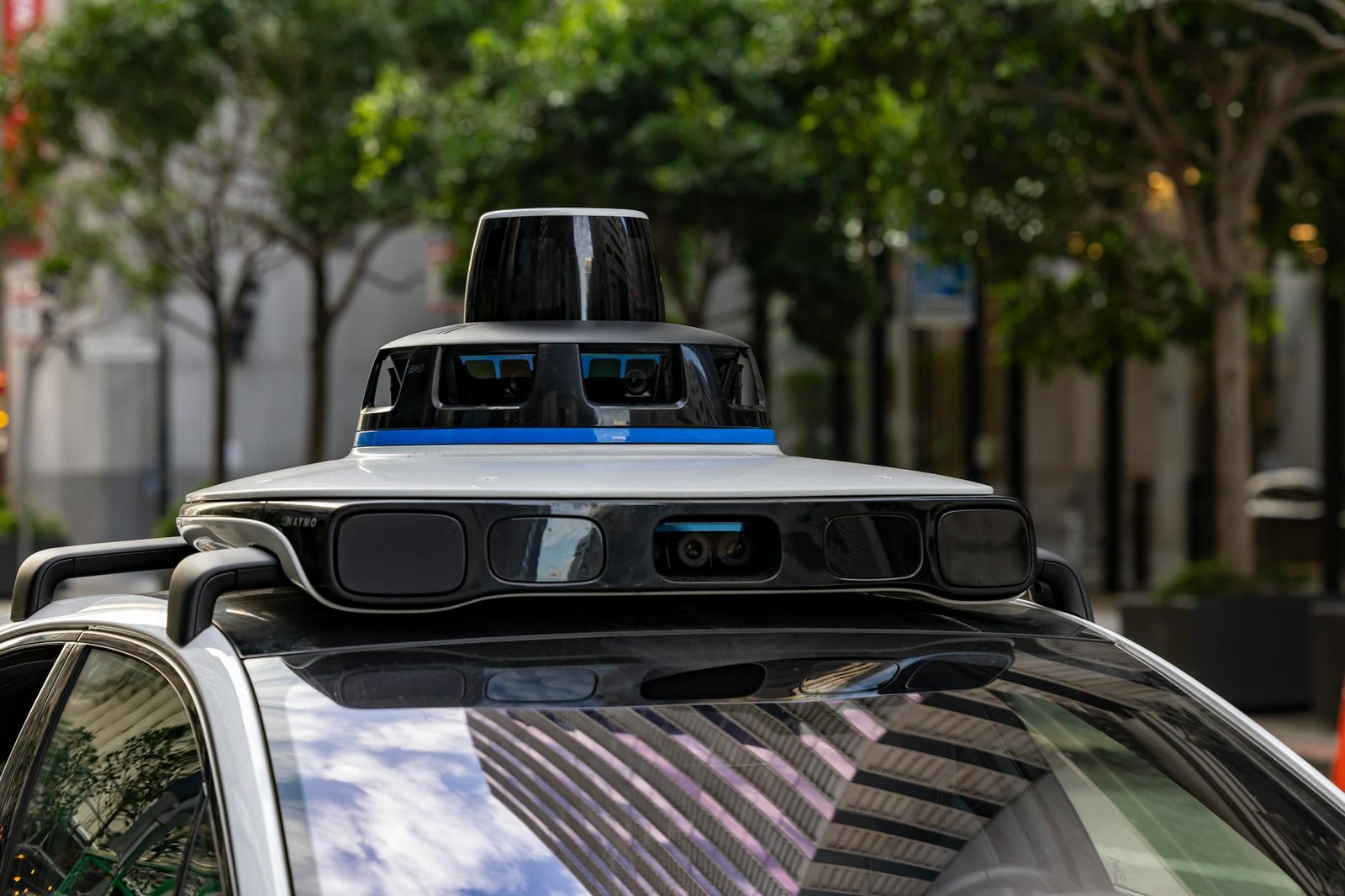
When it comes to real-world applications of AI, public safety is increasingly coming into focus. Technologies like Obvio‘s cameras spotlight a burgeoning trend: AI that acts in the public interest. This isn’t just about sophisticated algorithms cranking through massive datasets; it’s about behaviors and consequences. AI in this instance can assess driving patterns, recognize infractions in real time, and ultimately contribute to safer streets.
Why does this matter for your business? Because AI can be a proactive player in improving environments—whether physical or digital. It shows that AI isn’t just suited for industries like tech or finance. Instead, it extends into areas like public welfare, hinting at broader applications that could impact everyone, including small business owners.
Tracking Public Behavior and Business Ethics
Let’s consider the ethical implications of this AI approach. While a camera might detect and report unsafe driving, who monitors the monitors? The notion of using AI for surveillance and enforcement can raise privacy alarms. You probably don’t want your business marked by invasive practices, especially when your customers value their autonomy. This brings us to an important point: how can we employ AI responsibly?
Imagine your 10-person agency is hosting outdoor events. The last thing you need is an overzealous AI monitoring attendee behavior or tracking how many times they leave or re-enter a space. While you may want to ensure safety and compliance, a lack of transparency and clarity could turn customers away. It’s crucial to approach AI not just with enthusiasm, but also with caution and a strong ethical compass.
That’s not to say you should avoid these technologies altogether. But you’ll want to weigh their benefits against potential backlashes. A tech-based solution should never feel like a surveillance tool. Instead, strive for a balance that can help your business thrive without infringing on public opinion and trust.
AI in Efficiency: More Than Just a Buzzword
As exciting as the AI hype might read, let’s talk practicality. You might have heard the term “business process optimization” tossed around frequently, often associated with bold claims and fluffy terminology. But when integrated thoughtfully, AI can simplify operations in ways that save both time and money.
For instance, take n8n, an open-source workflow automation tool that empowers users to connect various apps and automate tasks. By employing such a platform, you could automate repetitive tasks—like sending emails after a client submission or updating databases—freeing you up to focus on high-value projects. That kind of practical application moves beyond fluff; it’s about tangible results.
But don’t just jump on the bandwagon because it’s trendy. Ask yourself: What specific processes bog down your operations? Maybe it’s manual report generation. Consider how you could automate that with such tools, but also be mindful of the human touch needed in customer service processes. There’s a balance that we can’t overlook.
Implications for Small and Mid-Size Businesses
If you run a small or mid-size business, it’s easy to feel overwhelmed by the relentless pace at which larger companies are adopting AI. High investment costs can create barriers, and the competition is fierce. However, don’t underestimate your ability to adopt these technologies on a scale that works for you.
You might be surprised to find that many AI applications are tailored for smaller budgets. Start small, perhaps with automation tools that enhance customer engagement or analytics that give you insights into sales trends. Even a basic chatbot can elevate customer service operations without breaking the bank. Consider what solutions best fit your unique needs rather than chasing after the latest and loudest AI solution.
Now, let’s take a detour back to those troublesome stop sign cameras. Obvio claims these cameras will not create a “panopticon” style of pervasive surveillance. This is a fine line to tread. Small businesses must consider similar implications—how do you engage with customers without seeming too invasive?
AI doesn’t just drive profit; it can drive relationships. As you weigh your AI options, don’t let the fear of becoming “Big Brother” hold you back. Instead, think creatively about how you can enhance your operations while maintaining a clear line of trust with customers.
Connecting AI Automation and Workflow Tools
Many AI solutions operate not just in isolation but in collaboration with workflow tools. Whether you’re a startup or an established business, connecting tools like Zapier or Automate.io can streamline data transfer between apps with minimal manual input. That’s how efficiency gains become real.
This isn’t about transforming your entire business model overnight. It’s about integrating discreet solutions that automate tedious tasks and allow you to channel resources into growth or innovation, rather than merely keeping the lights on. With the right workflow tools, your business can respond faster to customer needs, adapt to market shifts, and ultimately outperform some of the larger, lumbering corporations that don’t have such agility.
You’re in a unique position as a small to mid-size business owner. You can pivot and innovate far quicker than your larger competitors. This is the prime opportunity to adopt AI thoughtfully, tailoring it to your specific operational workflows to drive efficiency without sacrificing that vital human touch.
Investing in AI-powered automation doesn’t mean abandoning what makes your business unique. It means enhancing it. Just make sure you do your homework. Look for solutions that align with your core values and ethics. The technology should support your mission rather than dictate it.
As the shift towards AI continues to gain momentum, both in public domains and privately-owned businesses, consider exploring how AITechScope can assist you in integrating these innovations into your work. From improving operations to ensuring you grasp the ethical implications, the right tools can make all the difference in positioning your business for success in this evolving landscape. The waves of AI adoption are coming. The question is: how prepared are you to surf them?
Frequently Asked Questions (FAQ)
What are AI-powered stop sign cameras?
AI-powered stop sign cameras are intelligent surveillance systems designed to detect unsafe driving behaviors at intersections to improve public safety.
AI-powered stop sign cameras are intelligent surveillance systems designed to detect unsafe driving behaviors at intersections to improve public safety.
How can AI benefit small businesses?
AI can help small businesses by streamlining operations, enhancing customer engagement, and providing valuable insights through automation tools.
AI can help small businesses by streamlining operations, enhancing customer engagement, and providing valuable insights through automation tools.
Are there ethical concerns with AI in public safety?
Yes, implementing AI for public safety raises concerns about privacy, monitoring, and the ethical use of surveillance technology.
Yes, implementing AI for public safety raises concerns about privacy, monitoring, and the ethical use of surveillance technology.
How can small businesses adopt AI without large budgets?
Small businesses can start small with affordable automation tools and gradually increase their AI capabilities as they see benefits.
Small businesses can start small with affordable automation tools and gradually increase their AI capabilities as they see benefits.
What is AITechScope?
AITechScope is a platform that assists businesses in integrating AI technologies to improve operations and ethical practices.
AITechScope is a platform that assists businesses in integrating AI technologies to improve operations and ethical practices.