
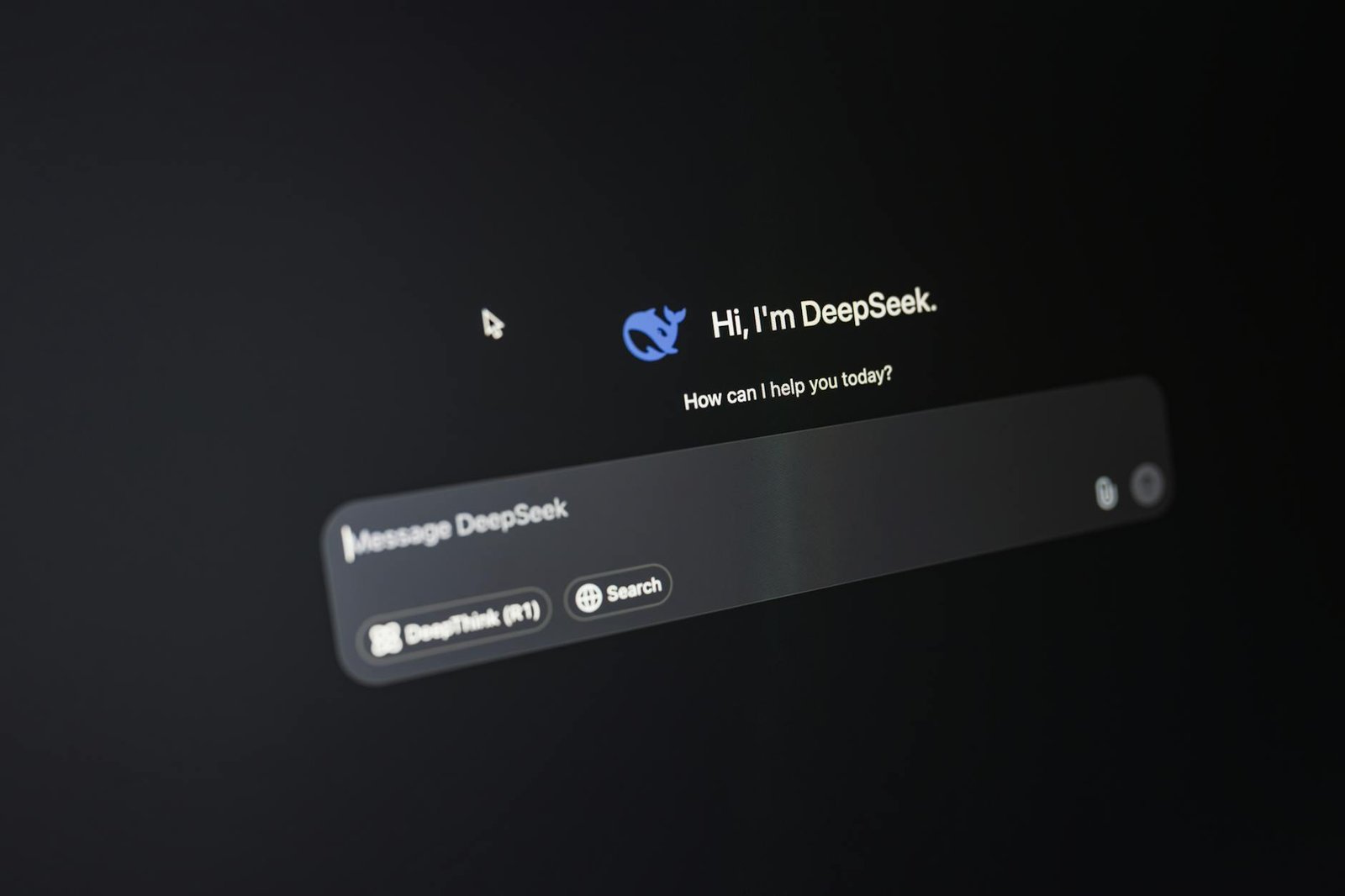
The World’s Best Virtual Assistants Are AI
Estimated reading time: 5 minutes
- AI is revolutionizing business operations.
- Virtual assistants increase team productivity and efficiency.
- Small businesses can greatly benefit from AI tools.
- Investing in AI requires understanding its limitations.
- Automation tools are essential for modern strategies.
Table of Contents
- The New Era of AI Virtual Assistants
- Maximizing Productivity with AI Assistants
- Real-World Implementation: A Case Study
- What This Means for Small to Mid-Size Businesses
- Questioning the Hype: Are AI Virtual Assistants Really Smart?
- Connecting to AI Automation and Workflow Tools
- FAQ
The New Era of AI Virtual Assistants
AI-powered virtual assistants are becoming the backbone of modern business strategies. But what does this really mean? Essentially, these systems can perform a range of tasks—from scheduling meetings to managing customer inquiries—without human oversight. If you’re an entrepreneur, think of virtual assistants as your right-hand partner that can operate around the clock, handle mundane tasks, and free you up to focus on the strategic aspects of your business.
This isn’t just a fad; it’s a trend backed by significant investments in technology. For example, according to market research firm Gartner, nearly 70% of organizations will use at least one AI virtual assistant by 2025. This statistic is not merely a high-flying prediction—it’s a wake-up call for anyone who still thinks they can manage their business without embracing this shift.
Maximizing Productivity with AI Assistants
Consider this: you run a 10-person marketing agency. Each member of your team spends hours on repetitive tasks like data entry, report generation, and scheduling campaigns. Now, let’s say you integrate an AI-powered virtual assistant into your workflow. This tool can automate those repetitive tasks, allowing your team to concentrate on high-impact activities like creative strategy and client engagement.
For instance, tools like n8n allow you to create seamless workflows that connect various apps through automation. Imagine your team no longer needs to manually pull data from one tool to another; with the right AI assistant, these processes can happen automatically, and you’ll see productivity soar. You’re no longer just saving time—you’re also enhancing your team’s morale, as they can focus on what they love.
Real-World Implementation: A Case Study
So, how does this play out in real life? Take a look at how a small e-commerce startup, let’s call it “TrendyTotes,” adopted an AI virtual assistant. Initially overwhelmed by customer inquiries and order processing, they integrated an AI system that handled FAQs, order confirmations, and even a part of their marketing outreach. Within three months, their response time dropped by 50%, and customer satisfaction ratings skyrocketed as a result.
The founders noticed an unexpected benefit, too: their small but mighty team suddenly found more time to innovate. Instead of being bogged down by recurring questions, they could brainstorm new product ideas or improve their marketing strategies.
This shift was not without its doubts. The founders had concerns about the AI’s ability to genuinely understand customer inquiries. Yet, they were pleasantly surprised; the assistant was not just effective—it often provided responses more quickly and accurately than a human team member could.
What This Means for Small to Mid-Size Businesses
If you’re a small or mid-size business owner, this rapid advancement in AI assistant technology opens up extraordinary possibilities. You might think automated systems are primarily suited for large corporations with hefty budgets, but that’s a misconception.
In fact, startups and mid-sized businesses can benefit significantly from AI tools due to their cost-effectiveness and scalability. A smaller firm can implement a virtual assistant for a fraction of the cost of hiring new staff. The dollar-for-dollar return can be impressive: according to McKinsey, businesses that have adopted AI saw an average productivity increase of 20% or more.
And while larger companies might have the resources to hire teams of experts to run these systems, small businesses can use off-the-shelf solutions that require minimal setup. Why wait? Embracing these tools could mean the difference between staying stagnant or experiencing serious growth.
Questioning the Hype: Are AI Virtual Assistants Really Smart?
But here’s where I push back against the hype: AI assistants can only be as effective as the data fed into them. If you’re contemplating adopting one, insist on understanding how it’s trained, what data it can access, and what its limitations are.
For example, OpenAI’s ChatGPT has made headlines for its conversational prowess, but it’s still not infallible. There are moments when it outputs incorrect information or fails to understand context. These aren’t just minor hiccups—they’re significant drawbacks for businesses relying heavily on them for customer support. So, yes, while many advancements are impressive, approach them with a healthy dose of skepticism.
This type of critical thinking can save your business from investing in tools that don’t deliver. Instead of being swept away by the latest trends, focus on your specific needs. Choose AI solutions that fit your business’s unique context.
Connecting to AI Automation and Workflow Tools
Let’s pivot back to practicality. While virtual assistants are at the forefront, there’s an entire ecosystem of AI automation and workflow development tools waiting to be explored. Platforms like Zapier and n8n help businesses create custom workflows that bring various applications together. You can create tailored solutions that fit your exact operational needs, automating processes in a way that maximizes productivity without breaking the bank.
Just think of the possibilities: an automated workflow might automatically send a thank-you email after a purchase, assign new leads to team members, or integrate with your CRM to update information seamlessly. These tools are not just add-ons; they are integral to modern business strategies.
As the business landscape evolves, continuing to automate processes will be key to staying competitive. Don’t just watch from the sidelines—get involved.
It’s exciting to think about where AI technologies are headed. If you feel uncertain about how to begin or what might best suit your needs, consider looking into professional guidance. At AITechScope, we’ve seen many businesses flourish by adopting the right AI strategies. Whether you’re grappling with setup or just need to clarify what’s possible, exploring these opportunities can help your business thrive.
You have choices. Amidst the cacophony of AI hype, find solid solutions that empower your journey. Because in the ever-competitive business world, standing still is not an option.
FAQ
Q: What tasks can AI virtual assistants perform?
A: AI virtual assistants can handle scheduling, customer inquiries, data entry, and more, allowing teams to focus on strategic tasks.
Q: Are AI tools suitable for small businesses?
A: Yes, AI tools are cost-effective and scalable, making them great options for small and mid-sized businesses.
Q: Can AI assistants understand context in customer inquiries?
A: While AI assistants have advanced capabilities, they can still misinterpret context depending on the training data.
Q: How can companies automate workflows?
A: Companies can use platforms like Zapier and n8n to create custom automated workflows tailored to their operations.
Q: What should businesses consider before adopting AI tools?
A: Businesses should analyze their specific needs, the data used for training, and the limitations of AI tools before making a decision.