
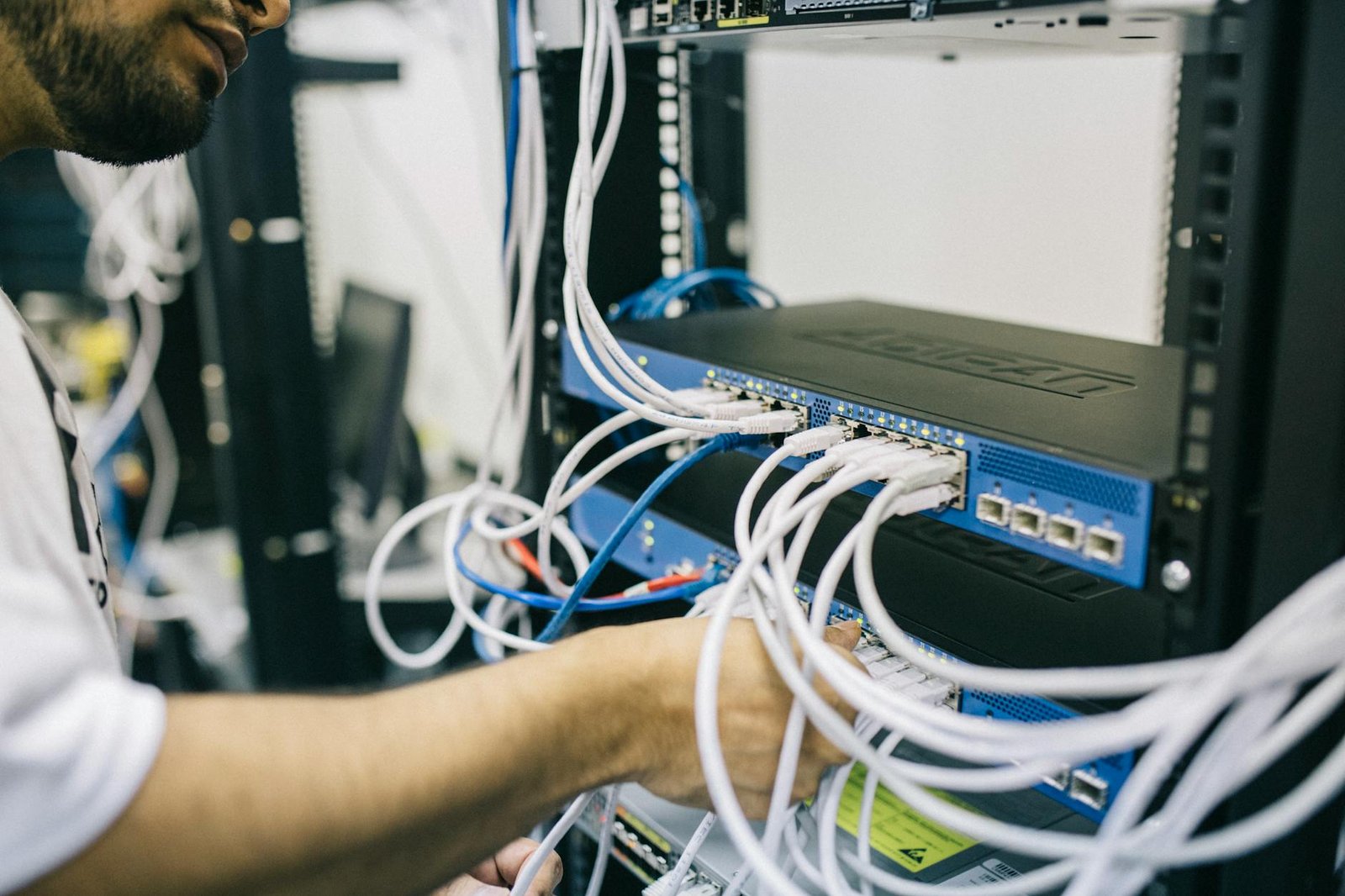
Unlocking the Hidden Potential of Data Center Capacity
Estimated reading time: 5 minutes
- Data center capacity is a goldmine for businesses looking to improve efficiency.
- AI technologies can identify smarter allocations, saving time and resources.
- Smaller businesses have unique advantages in optimizing energy usage.
- Automation tools like n8n offer budget-friendly ways to enhance productivity.
- Embracing AI isn’t a luxury; it’s necessary for modern business success.
Table of Contents
- The Underworld of Data Capacity
- Understanding Energy Efficiency
- The Challenge of Overhype
- What This Means for Smaller Businesses
- Bridging Automation and AI Workflow Tools
- Embracing the Future
The Underworld of Data Capacity
You know what’s wilder than a New York City stock trading floor? The world of data. Specifically, more than 100 gigawatts (GW) of data center capacity are hiding in plain sight on the electrical grid, and this isn’t just a guess. Companies like Gridcare are sharpening their pencils and digging into this potential goldmine. They sprouted in a realm where data reliability and efficiency are paramount.
So, let’s talk about data center capacity and what it could mean for your business. Data isn’t just fluff; it’s the lifeblood of today’s operations, whether you’re running an agency or a manufacturing plant. As we look at businesses continuously trying to deepen their efficiency and cut costs, the trends in AI-powered automation and intelligent workflows become essential. You’ve got to sift through the noise of hype and find what actually applies to your operations.
Understanding Energy Efficiency
The interesting twist is that this isn’t merely a tech issue. Imagine you run a medium-sized marketing agency. You could be sitting atop untapped capacity while paying for data services that may not maximize your budget. Gridcare’s insight reveals a layer of untapped resources, posing the question: How can your business exploit this very potential?
Data center capacity isn’t just about giant companies hoarding assets. It’s a reflection of how much energy goes unused, leading to inflated costs for you and me. Companies leverage vast infrastructure but often run at partial capacity for various reasons. What if, instead of seeing this as wasted resources, we adopt a mindset of optimization?
And that brings us to a broader theme: discovering overlooked assets.
The Challenge of Overhype
Here’s where the rubber meets the road. The energy sector, particularly with data centers, is at a turning point. A 2025 report highlighted that traditional energy production methods waste about 35% of their output. If businesses harnessed just a fraction of this lost capacity, they could save a killing on energy costs and operational efficiencies.
Take the example of a tech startup that’s scaling quickly. They realize that their cloud backup services are hosting data across multiple high-cost servers when one could suffice. They pivot strategy to use existing, underperforming data center performance. Suddenly, they’re not just saving money but also quickening their service delivery.
Why does this matter? It illustrates that AI isn’t just about automating mundane tasks; it’s about identifying smarter allocations, both in human capital and tech resources. With platforms that analyze energy usage across a network, you can discover patterns in your business that can be shifted for better performance. The hidden data center potential, coupled with smart AI modeling, can help you make decisions that save time and resources.
What This Means for Smaller Businesses
Now, let’s lighten the mood a bit. You’re probably thinking, “Sure, large corporations have the resources to explore these avenues, but what about my small business?” Well, here’s the good news—you can beat the giants by being nimble.
For smaller operators, paying attention to energy usage, optimizing processes, and keeping a close eye on data management can yield significant competitive advantages. If you operate a small e-commerce shop, you can analyze peak traffic times and adjust your server costs accordingly. Maybe you shift from traditional hosting to cloud services only during high-traffic periods. These kinds of actions not only improve your bottom line but show you can adapt in a rapidly changing marketplace.
In fact, many small businesses that adopt AI-powered tools are outperforming competitors who lag. Research from McKinsey suggests that small and midsize businesses leveraging AI can see performance boosts between 20-50% in their operations. Those numbers are compelling, aren’t they?
Bridging Automation and AI Workflow Tools
This leads us to automation tools like n8n, which can be particularly beneficial for optimizing processes on a budget. You don’t have to break the bank to access high-level automation capabilities. Instead of manual data entry that eats up productive hours, automate reporting and client follow-ups.
Consider your everyday operations: if you are managing multiple clients, simply automating the onboarding process through a tool can save hours each week. And with data-driven decisions, you can scale your operations without necessarily hiring on new staff.
Adaptation is the name of the game. Integrating AI-fueled workflows into your systems may sound complex, but you can start small. Test one process, see how it improves your service, and gradually incorporate more.
Embracing the Future
To wrap this up, embracing AI and data capacity optimization isn’t just a luxury anymore; it’s a necessity. Even a small nod toward energy efficiency or an introduction of an automation tool can pay dividends. Remember, the conversation is evolving, and in an economy teeming with possibilities, finding strategic advantages can make all the difference.
So, if you’re looking for a partner to assist in sifting through the tech noise and implementing tailored automation solutions, AI TechScope’s expertise could be a key asset. Don’t shy away from exploring the hidden capacity in your business; your competition certainly won’t.
Stay curious, remain skeptical of the hype, and let your business thrive in this data-rich environment. The opportunity is there—it’s up to you to seize it.
Frequently Asked Questions
- What is data center capacity?
- How can AI help optimize data management?
- What are the advantages of data capacity for small businesses?
What is data center capacity?
Data center capacity refers to the total amount of data processing, storage, and networking that a data center can handle. This includes the physical infrastructure, energy consumption, and the efficiency by which it operates.
How can AI help optimize data management?
AI can analyze large amounts of data to identify inefficiencies, suggest optimizations, and automate tasks that would otherwise consume considerable human resources. This allows for smarter resource allocation and improved operational efficiency.
What are the advantages of data capacity for small businesses?
Small businesses can leverage data capacity to reduce costs, optimize processes, and improve service delivery, even without the large budgets of bigger companies. Strategic insights can significantly boost their competitiveness in a crowded marketplace.