
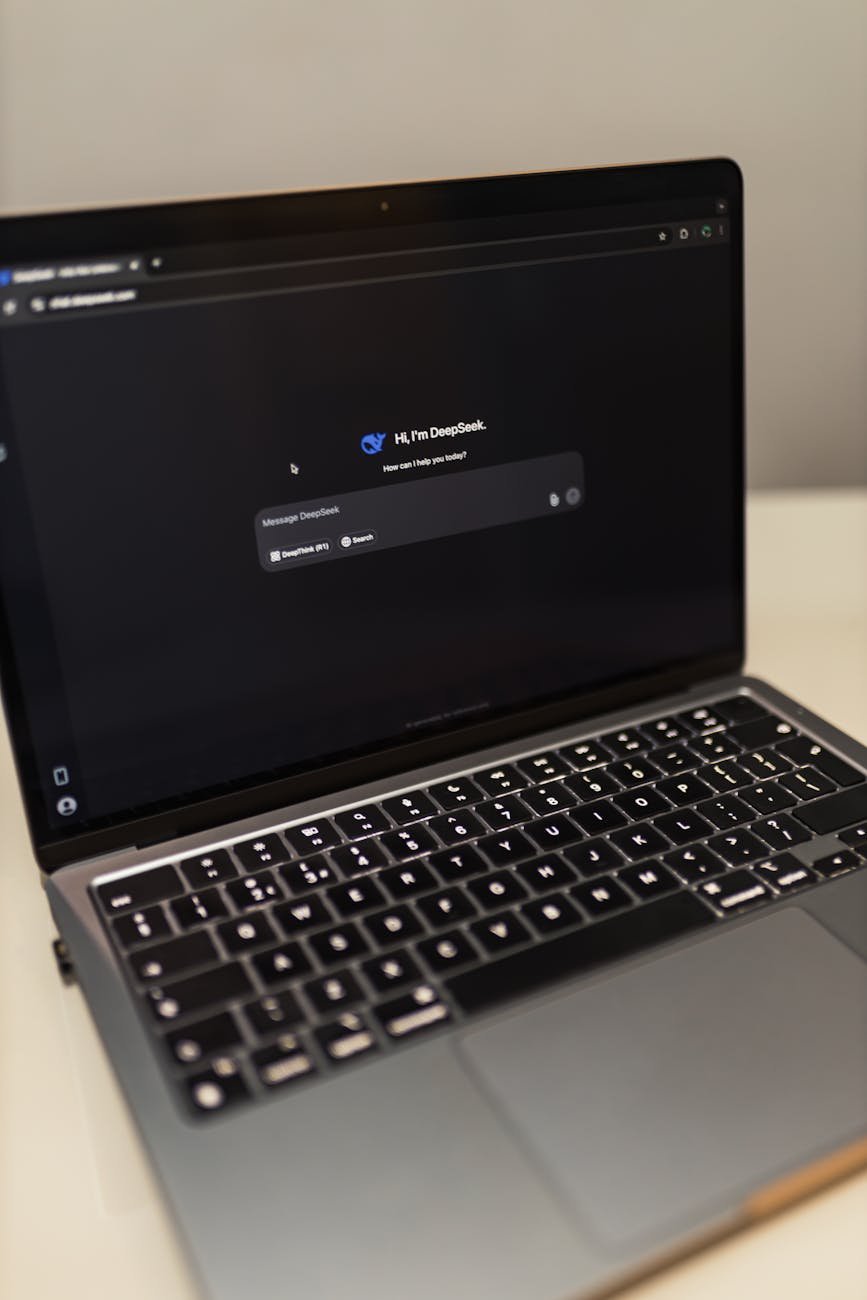
Embracing AI Automation: More Than a Trend
Estimated Reading Time: 4 minutes
- Almost 70% of businesses still rely on manual workflows.
- AI automation tools are essential for modern business survival.
- Implementing AI can drastically improve efficiencies and decision-making.
- Small and mid-sized businesses can access affordable automation solutions.
- Cultural shifts within organizations are necessary for successful implementation.
Table of Contents
- Embracing AI Automation: More Than a Trend
- Rethinking Your Workflows
- Data-Driven Decision-Making
- The Small Business Perspective
- Integrating Automation into Your Business
- A Final Word
Embracing AI Automation: More Than a Trend
Did you know that almost 70% of businesses are still using manual processes to handle their workflows? That’s like opting for a horse-drawn carriage on a freeway full of Teslas. You might think, “Surely they’re just waiting for the right moment to hop on the automation train.” Spoiler alert: the moment is now, and the train is gaining speed.
The adoption of AI automation tools is not just a trend; it’s a necessity for survival. As a business owner or operator, you need to act—or risk being left in the dust. There’s a palpable shift in how businesses operate. If you want your venture to thrive, it’s time to embrace AI-powered automation, rethink your workflows, and tap into the myriad technologies available.
Rethinking Your Workflows
Let’s talk practicalities. Imagine you run a 10-person agency. You’re juggling project timelines, client requests, and employee assignments, all while keeping an eye on the bottom line. Your team is skilled, but the sheer volume of tasks can lead to burnout and inefficiencies.
In this scenario, implementing AI tools such as n8n for workflow automation can help. n8n integrates with various services, allowing your team to automate repetitive tasks—say, moving data from one app to another—without writing a single line of code. This isn’t just a tech geek’s dream; it can save your agency hundreds of hours monthly, freeing your team to focus on high-value projects and creative tasks.
Think of automating invoicing and follow-ups, too. With tools that trigger reminders and invoices based on predefined actions, you’ll reduce errors and improve cash flow. No more manual entry that risks mistakes. It’s time to cut through the noise and allow your staff to engage meaningfully with clients.
Data-Driven Decision-Making
Another key advantage of AI-powered automation is data analytics. Real-time insights can enhance decision-making, allowing you to pivot strategies quickly. Remember Blockbuster? They had the chance to acquire Netflix and laughed it off, thinking their rental model was unbeatable. Fast forward to today, and you know how that turned out.
Your business’s ability to analyze data swiftly can mean the difference between thriving and merely surviving. AI algorithms can sift through mountains of data, helping you identify trends faster than a marketing manager can say “sales report.” Take, for instance, how Amazon utilizes AI for inventory management. They follow user browsing behavior and purchase history to predict stock needs, reducing waste and maximizing profits. Your mid-sized business can leverage similar analytics to inform everything from product launches to marketing campaigns.
The Small Business Perspective
So, what does all this mean for small and mid-size businesses? First, let’s address the elephant in the room: the perception that automation is only for large enterprises with hefty budgets. That’s a misconception. Automation tools are more accessible than ever. While high-end solutions exist, many affordable options cater specifically to smaller operations. Just because you run a lean team doesn’t mean you have to be overwhelmed by manual processes.
For instance, a café owner using a simple chatbot on their website can handle customer inquiries around the clock without hiring additional staff. With AI capable of answering frequently asked questions, managers can focus on operations instead of being tethered to their phones during busy hours. That’s a shift in not only efficiency but quality of life for your team.
Integrating Automation into Your Business
Now, let’s connect this to what we often hear about AI automation and workflow tools. Platforms like Zapier and n8n are here to facilitate connections between different software applications. They don’t just ease the workflow; they eliminate the friction that often bogs down productivity. With automation, the potential to consolidate tasks into cohesive workflows increases dramatically.
If you currently face issues like missed deadlines or lost client communications, deploying an automation strategy can directly tackle these pain points. Think about integrating your project management tool with an email application to automate status updates. No more “Did I send that email?” moments or relying on manual status calls.
However, it’s not all rainbows and sunshine. The challenge lies in implementation. Automation does require a cultural shift in your organization. Getting buy-in from your team and ensuring they’re not intimidated by new tools is crucial. Training will go a long way here. Don’t just box up your AI assistant and hope it works miracles overnight. Taking the time to understand how these tools fit into your business processes will yield dividends.
A Final Word
You’ve got choices in how you move forward with automation, but sitting on the fence isn’t one of them. The right tools can help to redesign your workflows and free up time for what truly matters—growing your business.
AITechScope stands ready to help you navigate this journey, whether it’s through tailored automation solutions or optimizing your workflow with n8n. Embrace the technology at your fingertips and set your business up for long-term success. Don’t get left behind while others ride the wave; catch it today.
FAQ
- What is AI automation?
- How can small businesses benefit from AI?
- What are some examples of AI tools for automation?