
Meta’s Solar Power Move: A Leap into Sustainable AI Data Centers
Estimated reading time: 5 minutes
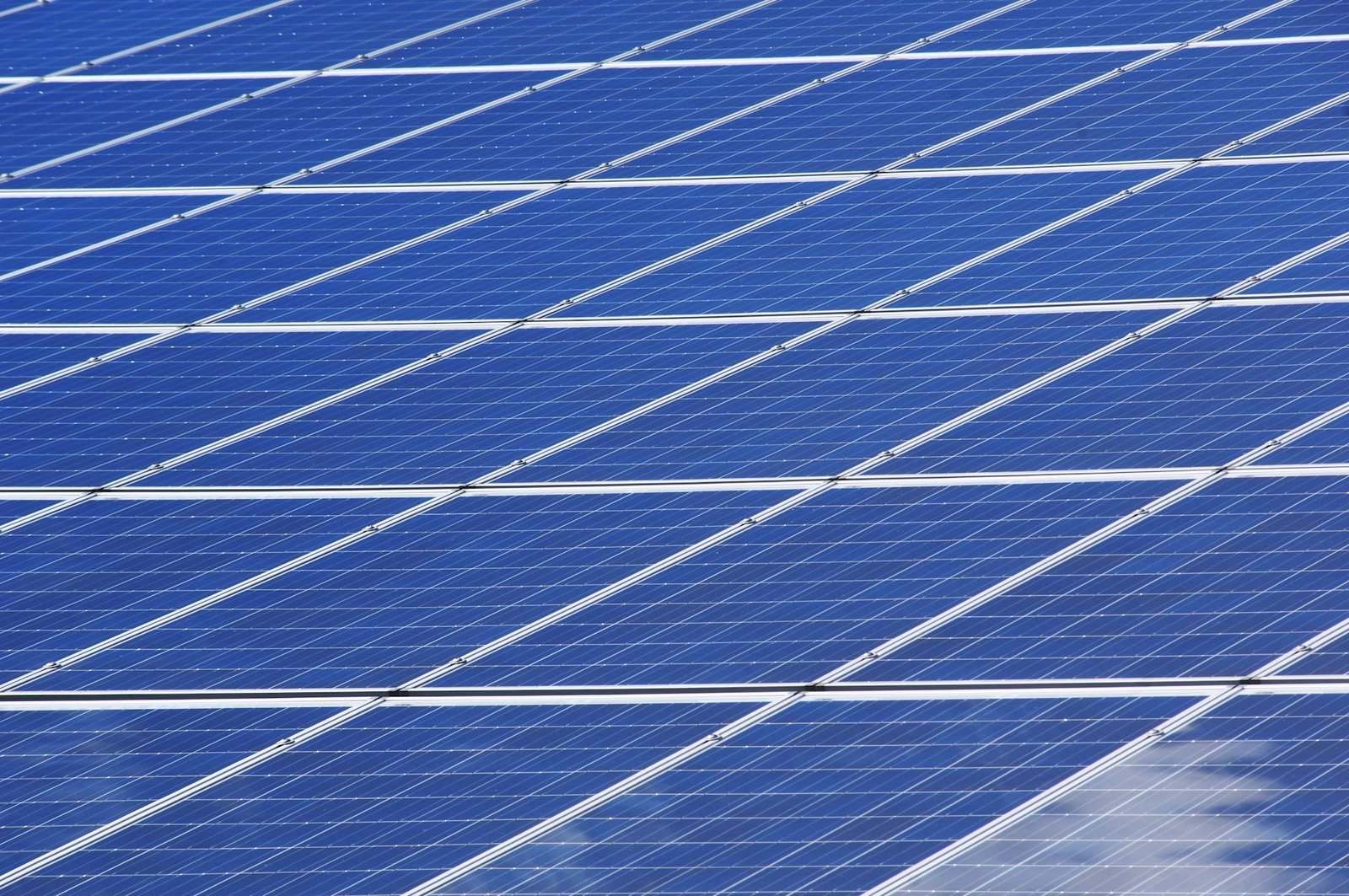
- Meta commits to integrating 100MW of solar power into its new AI data center in South Carolina.
- AI technologies are facing increasing energy demands that necessitate a shift towards sustainable practices.
- Embracing AI alongside sustainability can significantly enhance operational efficiencies in businesses.
- Several emerging AI tools are focused on energy efficiency and environmental responsibility.
- AITechScope offers tailored AI solutions for businesses aiming to integrate sustainability.
Table of Contents
- The Intersection of AI and Sustainability
- Why Is Sustainable Energy Important for AI?
- Practical Applications in Business
- Case Study: Meta’s Commitment and Its Implications
- Emerging AI Tools and Technologies Focused on Energy Efficiency
- How AITechScope Can Support Your Transition
- Call to Action
- Conclusion
- FAQ
The Intersection of AI and Sustainability
Artificial intelligence has reshaped industries by driving efficiencies, enhancing productivity, and enabling innovative solutions that were previously unimaginable. However, amidst its rapid proliferation lies a growing concern regarding energy consumption and carbon footprints. Meta’s initiative reflects a wider recognition within the tech sector about the importance of sustainability as AI systems demand more computing power for their complex algorithms and data processing tasks.
According to the article published by Tim De Chant, Meta’s commitment to power its new AI data center with solar energy is not just a PR move but a strategic decision that aligns with global sustainability goals. As Meta enhances its AI capabilities for services like social media analytics and virtual reality applications, it recognizes that integrating renewable energy sources is integral to balancing technological advancement with environmental responsibility.
Why Is Sustainable Energy Important for AI?
- Energy Consumption: AI models, particularly those based on deep learning, consume vast energy during both training and inference stages. The more complex the model, the more computational power—and thus energy—is required.
- Carbon Footprint: Data centers are known for their high energy consumption, and many still rely on fossil fuels. Transitioning to renewable sources like solar power can significantly lower the carbon footprint of these operations.
- Corporate Responsibility: As stakeholders increasingly demand environmental accountability, companies are pressured to demonstrate their commitment to sustainability. Adopting renewable energy sources can enhance a company’s reputation and attract environmentally-conscious customers.
Practical Applications in Business
Leveraging AI for Efficiency
For business professionals, embracing AI alongside sustainable practices can yield various benefits:
- Predictive Analytics: Utilizing AI to forecast energy consumption can optimize power usage in operations, minimizing wastage and costs.
- Automated Workflows: Implementing automation tools can streamline processes, reducing energy consumption linked to inefficient workflows.
- Sustainable Supply Chains: AI can analyze supplier data to choose eco-friendly partners and materials, further enhancing sustainability initiatives.
Embracing Automation with AI TechScope
At AITechScope, we recognize the challenges businesses face in balancing the adoption of advanced AI technologies while mitigating their environmental impacts. Our expertise in AI-powered automation, particularly through n8n workflow development, enables businesses to integrate sustainability into their digital strategies seamlessly.
By automating repetitive tasks, businesses can redirect energy and human resources to more impactful areas, fostering innovation and efficient operations. Our AI consulting services are tailored to help organizations map out effective and sustainable digital transformations.
Case Study: Meta’s Commitment and Its Implications
Meta’s solar integration is likely to inspire similar moves within the tech community. Here are a few practical insights we can draw from Meta’s decision:
- Become a Trendsetter: By adopting sustainable energy practices, organizations can position themselves as industry leaders that prioritize environmental stewardship, potentially influencing competitors to follow suit.
- Seek Innovative Partnerships: Partnering with energy providers or setting up in areas that support renewable energy can facilitate similar transitions.
- Invest in R&D for Energy-Efficient AI Models: Companies can invest in research to develop more energy-efficient algorithms that reduce overall power consumption.
Emerging AI Tools and Technologies Focused on Energy Efficiency
As businesses look to AI for efficiency, several emerging tools and technologies can help support sustainability goals:
- AI for Energy Management: AI algorithms can monitor and manage energy consumption across multiple devices, optimizing usage and minimizing costs.
- Smart Grids: Utilizing AI in grid management can facilitate better energy distribution and usage prediction, making renewable energy sources more viable.
- Predictive Maintenance: AI can analyze equipment performance in data centers, predicting failures before they happen, thus reducing energy waste due to downtime.
How AITechScope Can Support Your Transition
At AITechScope, our offerings go beyond mere implementation of AI tools; we provide a comprehensive consulting service that includes:
- Business Process Optimization: Workflow assessment to identify areas ripe for automation and energy savings.
- Custom AI Solutions: Tailoring AI applications that meet specific operational needs while focusing on sustainability.
- Ongoing Support and Training: Ensuring that your team is well-equipped to leverage automation tools sustainably and effectively.
Call to Action
As we stand on the brink of a new era where AI and sustainable practices converge, it’s essential to explore the potential of these advancements for your business. At AITechScope, we are ready to guide you in implementing intelligent solutions that not only increase efficiency but also align with your sustainability goals.
If you’re interested in automating processes, optimizing workflows, or incorporating AI into your operations, we invite you to explore our AI automation and consulting services today. Let us help you pave the way for a more efficient, sustainable future through the power of AI.
Conclusion
Meta’s initiative to add 100MW of solar power to its AI data center in South Carolina exemplifies a significant step in addressing the energy challenges posed by the exponential growth of AI technologies. As companies across various industries mirror this commitment to sustainability, the opportunity for heightened efficiency and operational optimization through AI is abundant.
The intersection of AI, automation, and sustainable practices not only enhances business operations but also contributes to a broader societal effort in combating climate change. By leveraging the right tools and strategies, businesses can join this movement toward a greener future while achieving their operational objectives.
As we progress into a more AI-centric world, let’s remember that embracing these technologies permits businesses not only to thrive but to do so responsibly.
FAQ
Q: What are the main benefits of using solar energy for AI data centers?
A: Using solar energy can significantly reduce the carbon footprint, lower operational costs, and improve a company’s public image by demonstrating corporate responsibility.
Q: How can businesses transition to AI while ensuring sustainability?
A: By adopting energy-efficient practices, utilizing renewable energy sources, and automating processes, businesses can align AI adoption with sustainability goals.
Q: What role does AITechScope play in this transition?
A: AITechScope offers consulting services, custom AI solutions, and support to help businesses implement automation tools that promote sustainability.